The People Who Keep London Renting

From compliance and maintenance to dispute resolution and tenant support, property managers help keep London's rental homes running smoothly behind the scenes. FG takes a closer look…
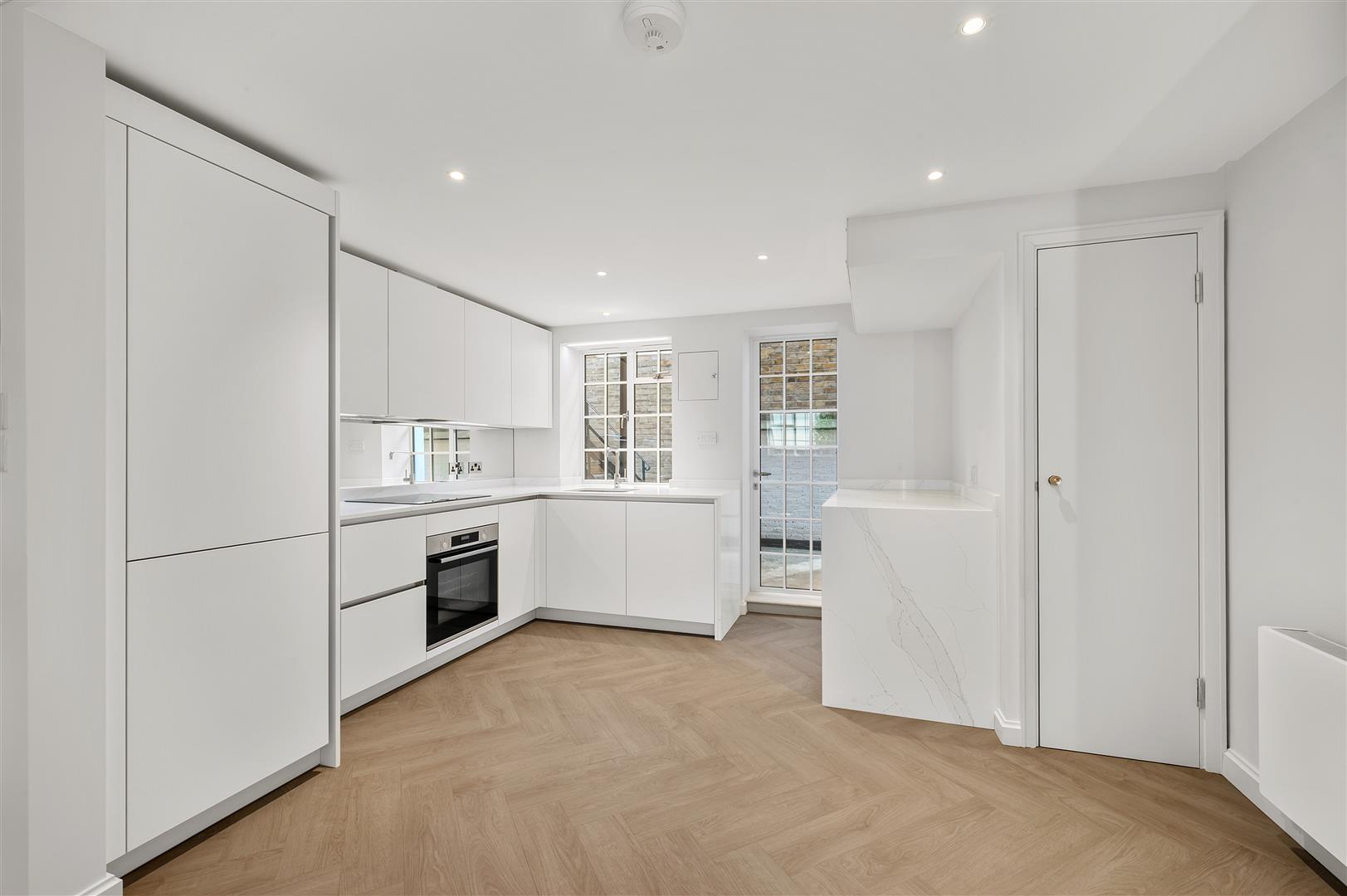
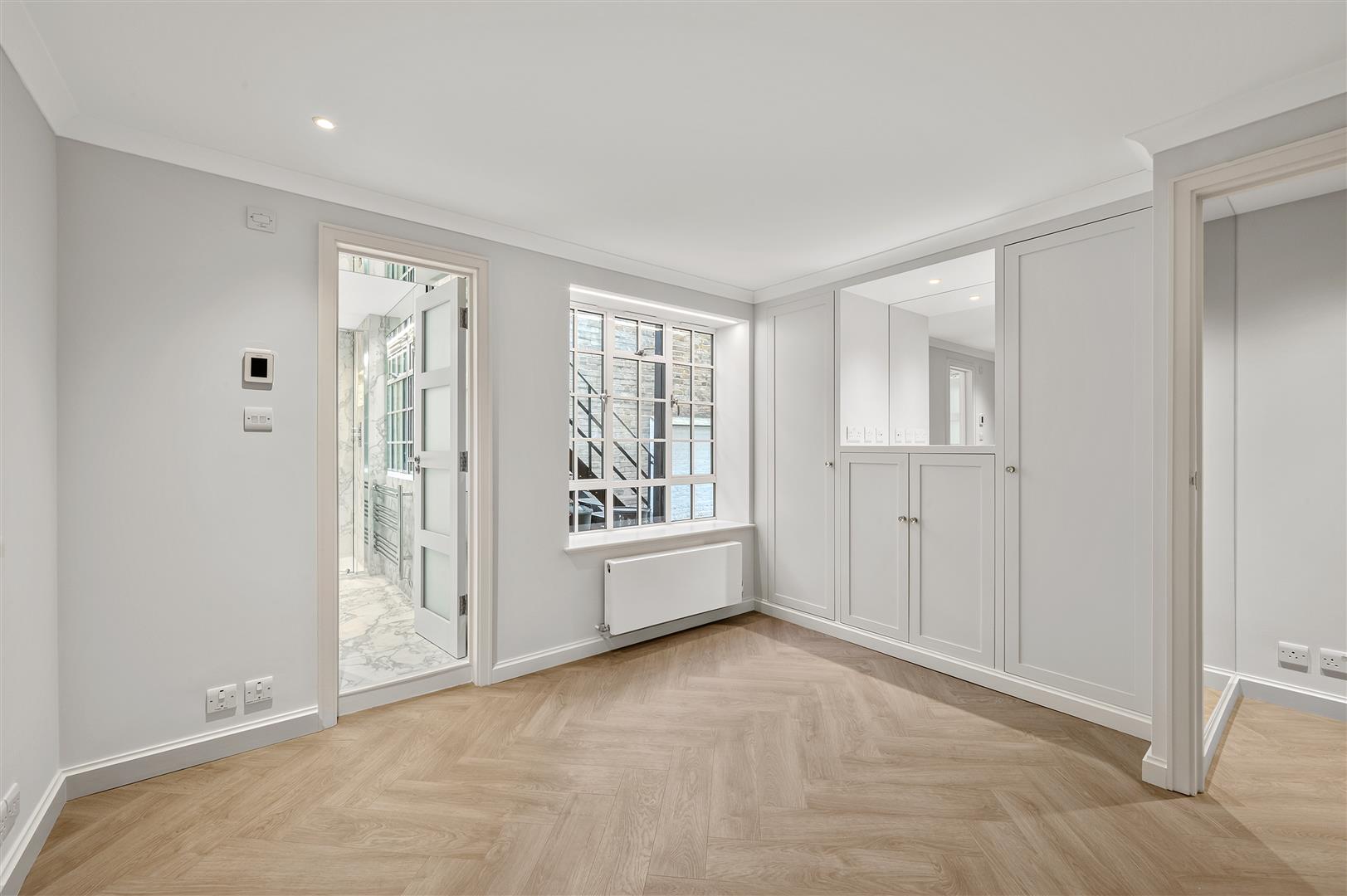
By the time a London rental property reaches the market, every cushion has been adjusted, every room carefully lit and every angle selected to showcase the property's best features. For prospective tenants, the process can appear deceptively simple: a viewing, a reference check, a tenancy agreement and, finally, the reassuring weight of a new set of keys. But once moving day has passed, the real work begins.
Homes are not static assets. They age, settle and occasionally fail in ways no marketing brochure can predict. Boilers stop working on the coldest mornings of winter. Leaks emerge where none existed before. Regulations evolve. Expectations shift. In a city as vast and complex as London, the smooth operation of a rental property depends on far more than bricks and mortar.
At the centre of this often unseen system sits the property manager. Part coordinator, part building custodian and part diplomat, the modern property manager occupies a unique position between landlord, tenant, contractor and regulator. Their work is rarely visible when things are going well, yet it is often the reason they are.
In many respects, successful property management is measured by the absence of drama: the repairs that never become emergencies, the disputes that never escalate and the deadlines that never become problems.
More Than a Middleman
Popular perceptions of property management have not entirely kept pace with reality. The traditional image is of someone collecting rent, arranging repairs and responding to tenant enquiries. While those duties remain part of the role, the profession has evolved significantly as the private rented sector has become more regulated and increasingly professionalised.
Today's property manager may spend as much time overseeing maintenance programmes, monitoring compliance requirements and coordinating specialist contractors as they do handling day-to-day tenancy matters.
For landlords, particularly those balancing property ownership alongside careers, businesses or family commitments, professional management can provide valuable oversight in an increasingly complex environment. For tenants, it offers a dedicated point of contact to help navigate issues that inevitably arise during a tenancy.
The role has become less about administration and more about stewardship.
| Feature - scroll to continue with content... |


| continue reading article... |
Navigating a Complex Regulatory Landscape
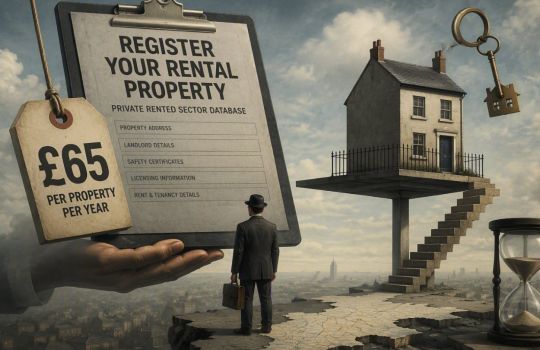
Few aspects of the profession have changed more dramatically than compliance. In England, landlords must meet a range of legal obligations relating to safety, energy efficiency, immigration checks and tenancy administration. While requirements vary depending on the property and tenancy involved, managing agents are often engaged to help coordinate compliance processes and monitor key dates.
That work may include arranging annual gas safety inspections where gas appliances are provided, commissioning Electrical Installation Condition Reports (EICRs) at required intervals, monitoring Energy Performance Certificate (EPC) validity and administering tenancy deposits through approved protection schemes.
Agents may also coordinate Right to Rent checks, ensure prescribed tenancy information is issued and assist landlords in monitoring obligations relating to smoke and carbon monoxide alarms.
The details are rarely glamorous, but they are increasingly important. A missed certificate, incorrect paperwork or overlooked deadline can create unnecessary complications for everyone involved. Much of a good property manager's contribution lies in helping reduce the likelihood of those issues arising in the first place.
The Constant Care of Buildings
Even the most desirable London property requires ongoing attention. Behind elegant period façades and contemporary apartment blocks lies an endless cycle of maintenance and renewal. Roofs weather. Sealants deteriorate. Appliances reach the end of their lifespan. Water, perhaps the greatest adversary of any building, inevitably finds weak points sooner or later.
When problems emerge, speed matters. A leaking pipe can quickly become extensive water damage. A failed boiler can transform a minor inconvenience into an urgent issue within hours. For tenants, these moments are often stressful. For landlords, they can result in unexpected expense.
Property managers sit between the two, helping coordinate the response. The visible side of the role involves arranging repairs, instructing contractors and keeping all parties informed. Less visible, but often equally valuable, is preventative maintenance.
Regular property visits and maintenance reviews can help identify emerging issues before they become major expenses. Early signs of damp, deterioration to external fabric, ventilation problems or wear within key building systems can often be addressed more efficiently when identified early.
Increasingly, property management resembles asset oversight as much as tenancy administration. The objective is not simply to react to problems but to support the long-term condition and value of a property.
| Feature - scroll to continue with content... |


| continue reading article... |
Managing People, Not Just Property
At its heart, property management remains a relationship-driven profession.
For landlords, a property may represent a significant financial investment. For tenants, the same property is home: the setting for everyday routines, family life and personal milestones.
Those perspectives do not always align and so the property manager often occupies the space between them.
Whether facilitating maintenance access, overseeing tenancy renewals, managing neighbour complaints or coordinating the end-of-tenancy process, they are frequently called upon to balance competing expectations and maintain constructive dialogue.
Much of this work requires judgement rather than technical expertise. Successful managers understand that communication is often as important as process. By providing a professional point of contact, they can help keep discussions focused on solutions rather than frustrations.
The role is part negotiation, part customer service and occasionally conflict resolution. Technology may streamline administration, but it cannot easily replace experience, tact and professional judgement.
The Quiet Professionals Behind the Scenes
Cities tend to celebrate architects, developers and designers. Property managers rarely enjoy the same profile. Perhaps that is because their greatest successes are difficult to see.
The tenancy renews smoothly. The paperwork remains up to date. The repair is completed before damage spreads. A potential disagreement is resolved before becoming a formal dispute.
Nothing happens. And that is exactly the point.
For landlords, professional property management can provide confidence that a valuable asset is being maintained and monitored within an increasingly demanding regulatory environment. For tenants, it offers reassurance that their home is supported by an accountable professional responsible for coordinating the many moving parts of modern renting.
Long after the photographs have been taken and the keys handed over, the property manager remains at work behind the scenes, helping London's rental homes and the people who live in them function as they should.
This article is intended for general information purposes only and does not constitute legal, regulatory, financial or property management advice. While every effort has been made to ensure the information is accurate at the time of publication, legislation, regulations and industry requirements may change. Landlords, tenants and property owners should seek independent professional advice regarding their specific circumstances. The views expressed are intended as general commentary on the role of property management within the residential lettings sector in England and should not be relied upon as a substitute for professional advice.