Should You Fix It Before You Sell?

From leaking gutters to dated kitchens, knowing what to repair, refresh or leave alone can make the difference between attracting confident buyers and spending money on unnecessary improvements. market.
There comes a moment before every house sale when homeowners start seeing their property through a buyer's eyes. The dripping tap that never seemed urgent. The cracked tile in the bathroom. The scuffed walls in the hallway. Suddenly, every imperfection feels significant and every repair raises the same question: should you fix it, renovate it, or leave it alone?
For sellers, it is one of the most common dilemmas. Spend too little and buyers may worry that the property has been neglected. Spend too much and you risk paying for improvements the next owner would have changed anyway.
The reality is that achieving the best outcome is rarely about presenting a perfect property. It is about presenting a well-maintained one.
Buyers Can Live With Dated. They Struggle With Doubt.
Many homeowners overestimate how much buyers care about cosmetic shortcomings: An outdated kitchen, an unfashionable bathroom or old carpets are not necessarily deal-breakers. Most buyers expect to make changes over time, particularly if they are purchasing a long-term home.
What buyers are less comfortable with is uncertainty: A leaking pipe, signs of damp or a broken gutter can create doubts about the wider condition of the property. Even relatively minor defects can prompt questions. If one issue is visible, what else might be lurking beneath the surface?
Property transactions are emotional as much as financial. Buyers are not simply assessing square footage, location and value. They are also looking for reassurance that the property has been properly maintained.
In that sense, maintenance matters far more than fashion.
| Feature - scroll to continue with content... |


| continue reading article... |
Focus on Repairs, Not Reinvention
When preparing a property for sale, the most sensible investment is often repairing problems rather than embarking on major upgrades. Before launching the property to the market, consider addressing issues such as:
- Damp, mould or water ingress
- Roof and guttering defects
- Plumbing leaks
- Electrical faults
- Broken windows, doors or locks
- Boiler or heating problems
- Obvious structural concerns
- Pest issues
These are the sorts of defects that can concern buyers, are often identified during surveys and may prompt further discussion during the transaction. A buyer may overlook an older kitchen. They are far less likely to overlook a leaking roof.
The Expensive Renovation Trap
Many sellers automatically assume that spending money before a sale will increase the eventual selling price. Unfortunately, the relationship is rarely that straightforward.
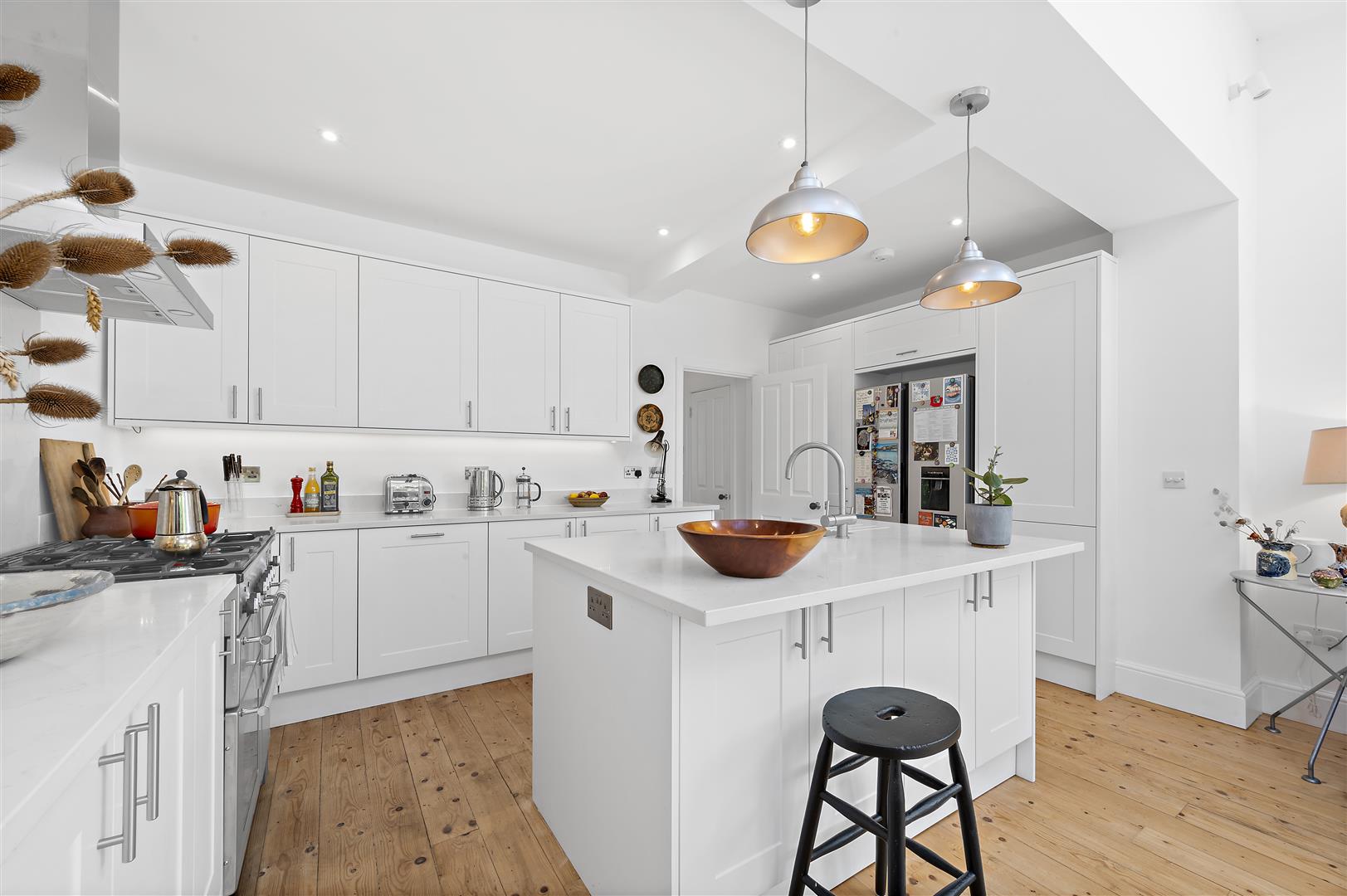
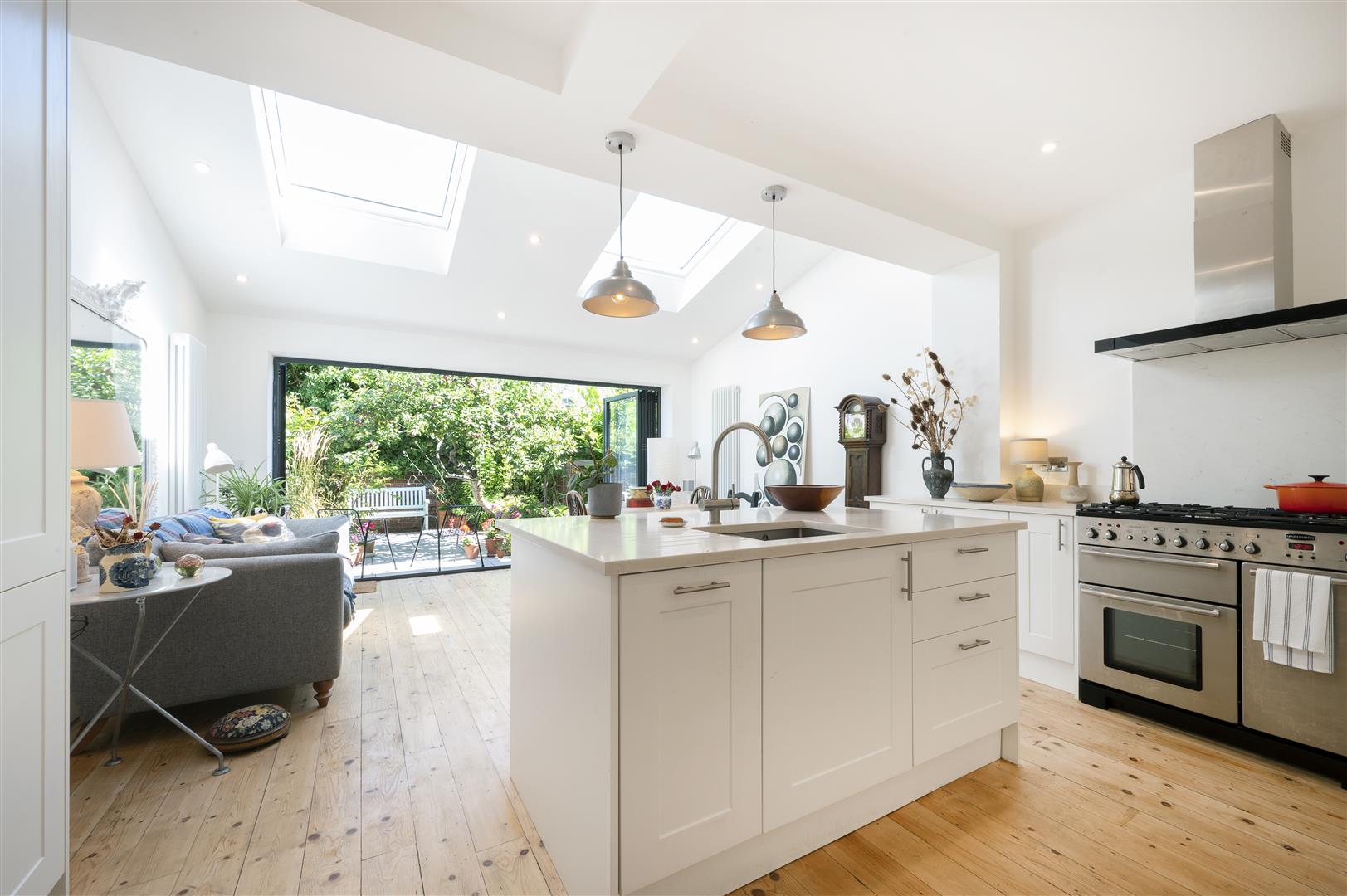
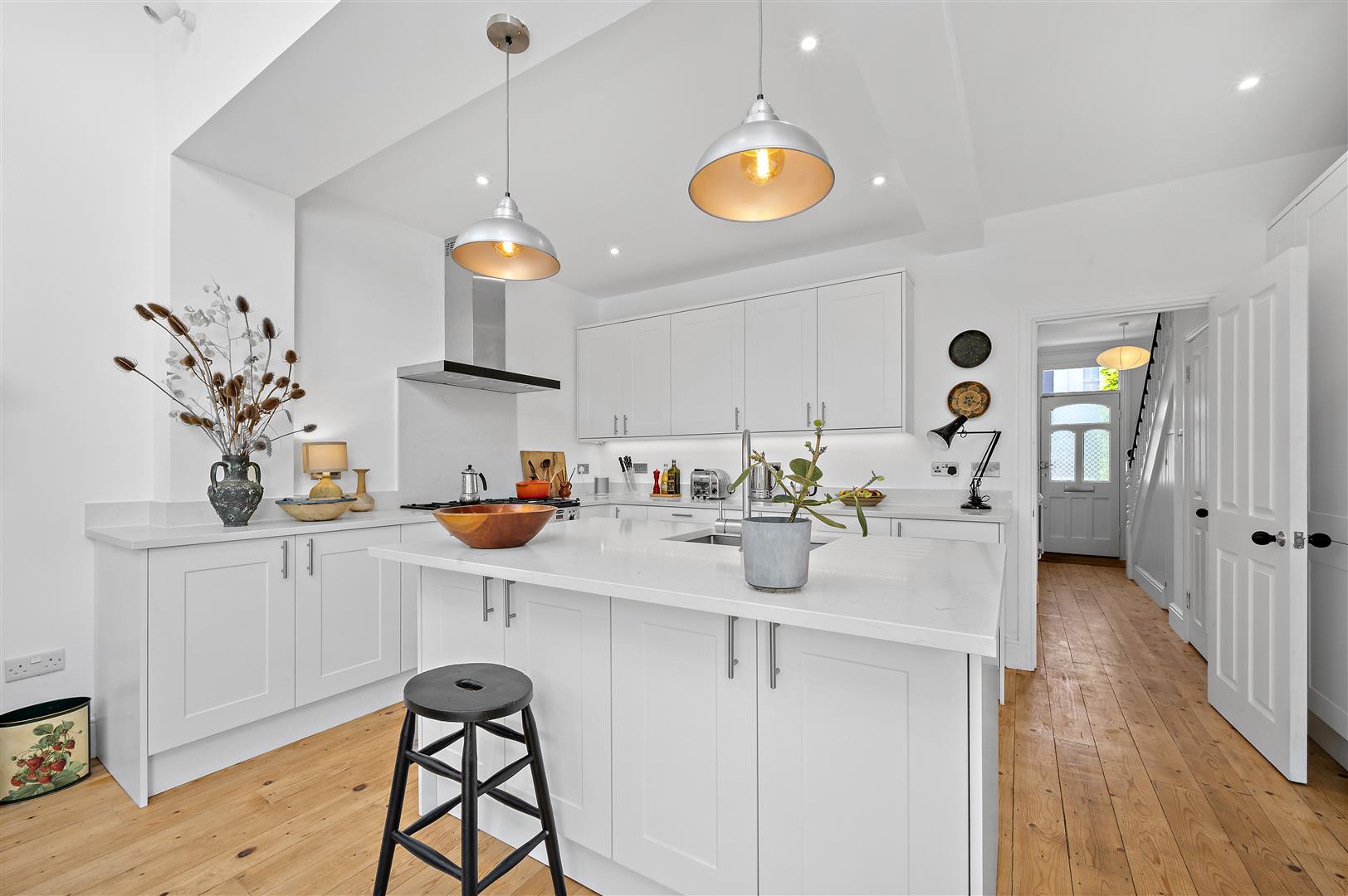
A homeowner might spend tens of thousands of pounds installing a new kitchen in the hope of achieving a premium, only for prospective buyers to view it as perfectly acceptable but not worth paying extra for. Some purchasers may already be planning their own refurbishment, reducing the value they place on newly completed work.
The same principle often applies to bathrooms, flooring and highly personal decorative choices.
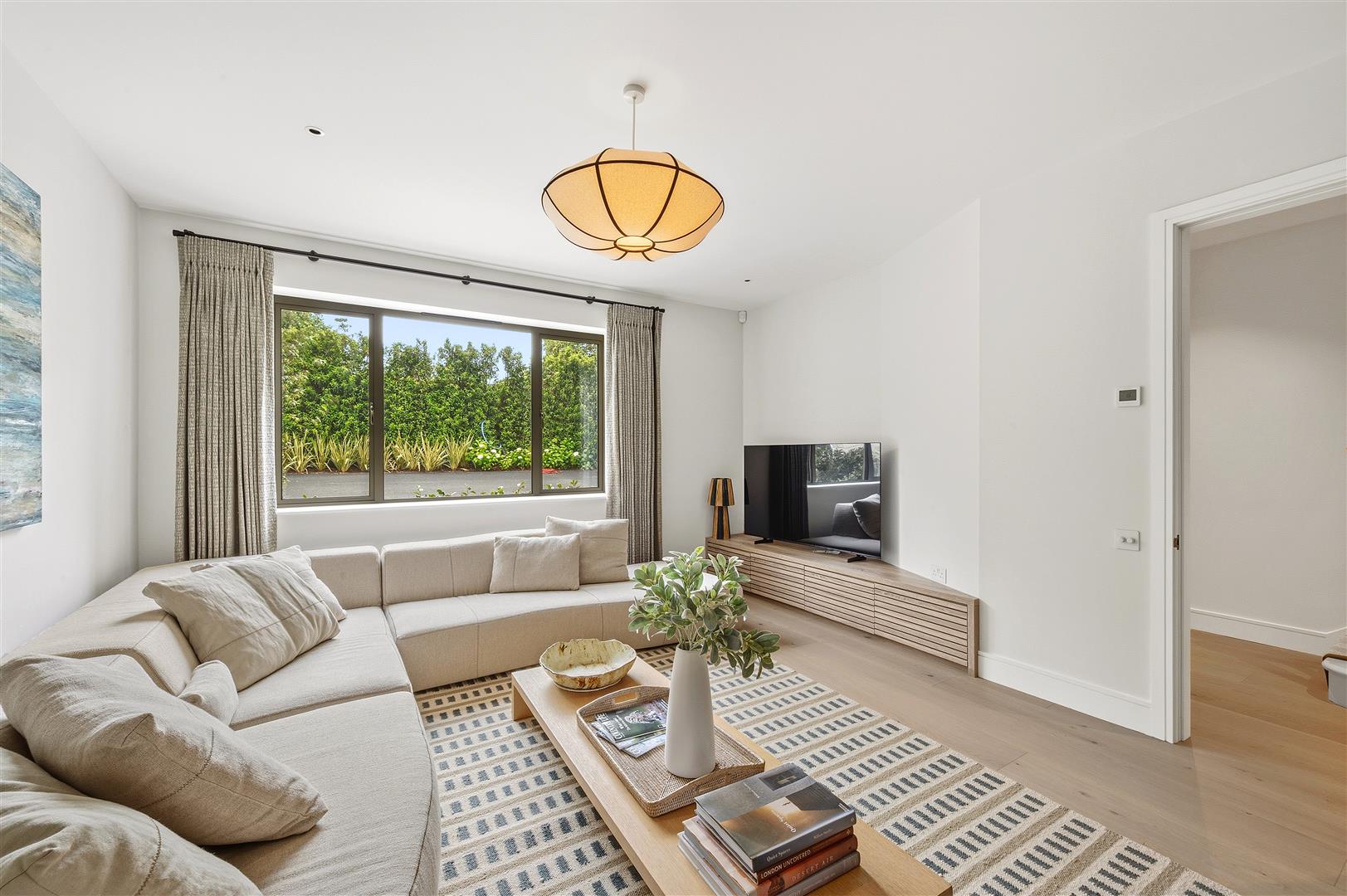
That does not mean presentation is unimportant. Far from it. But there is a world of difference between refreshing a property and completely remodelling it. The former is often worthwhile; the latter frequently produces disappointing returns.
Small Improvements Can Have a Big Impact
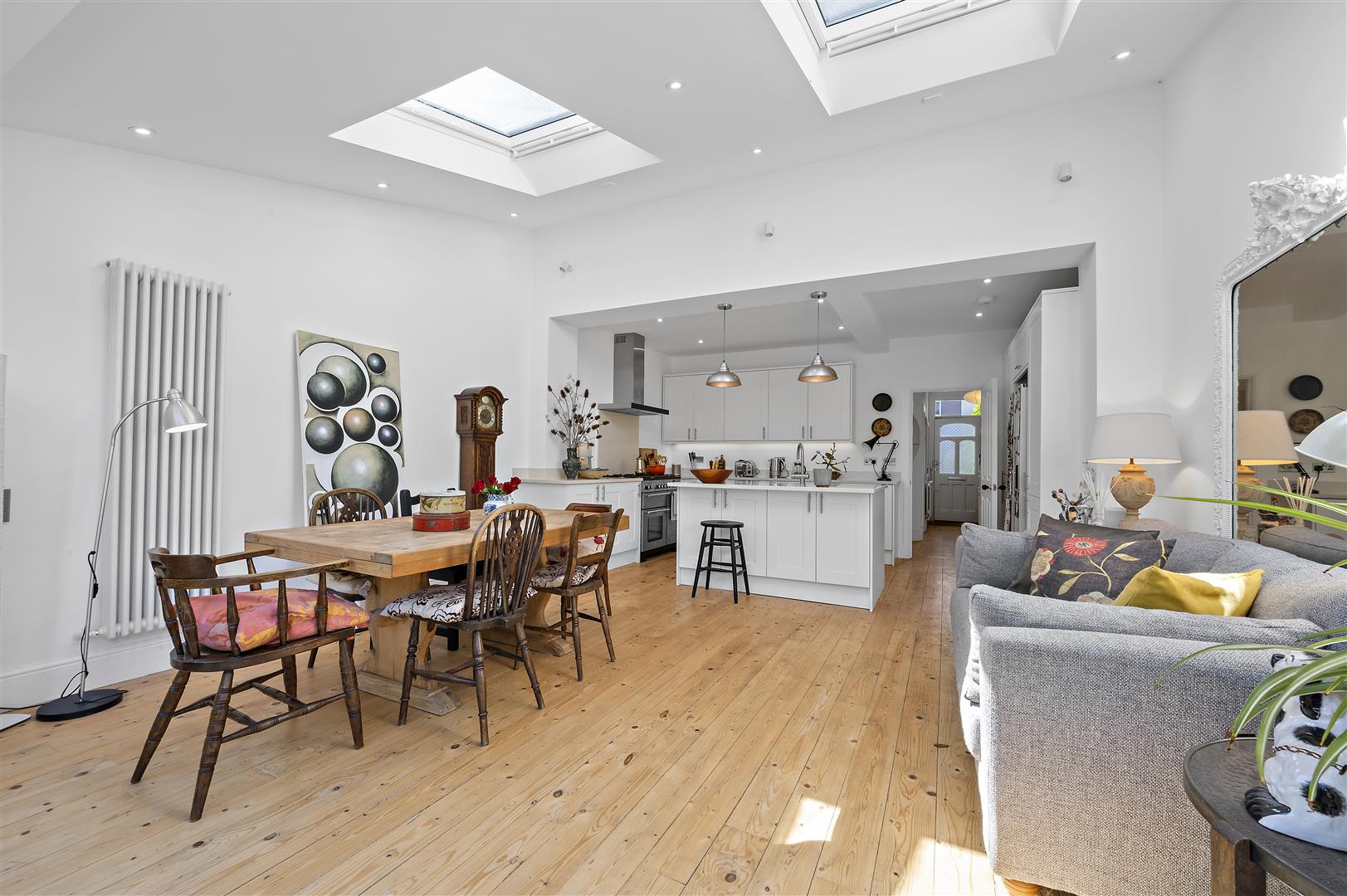
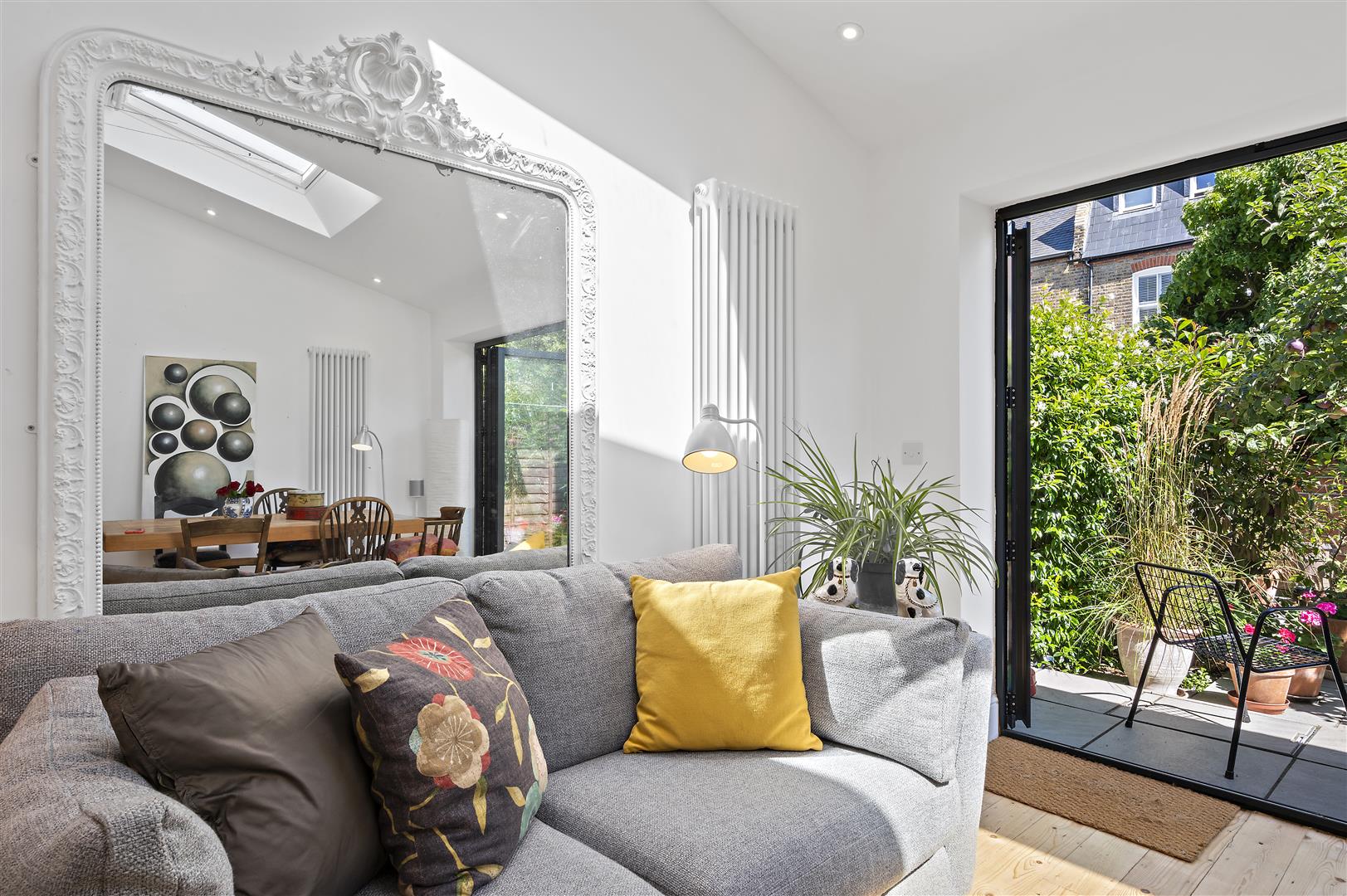
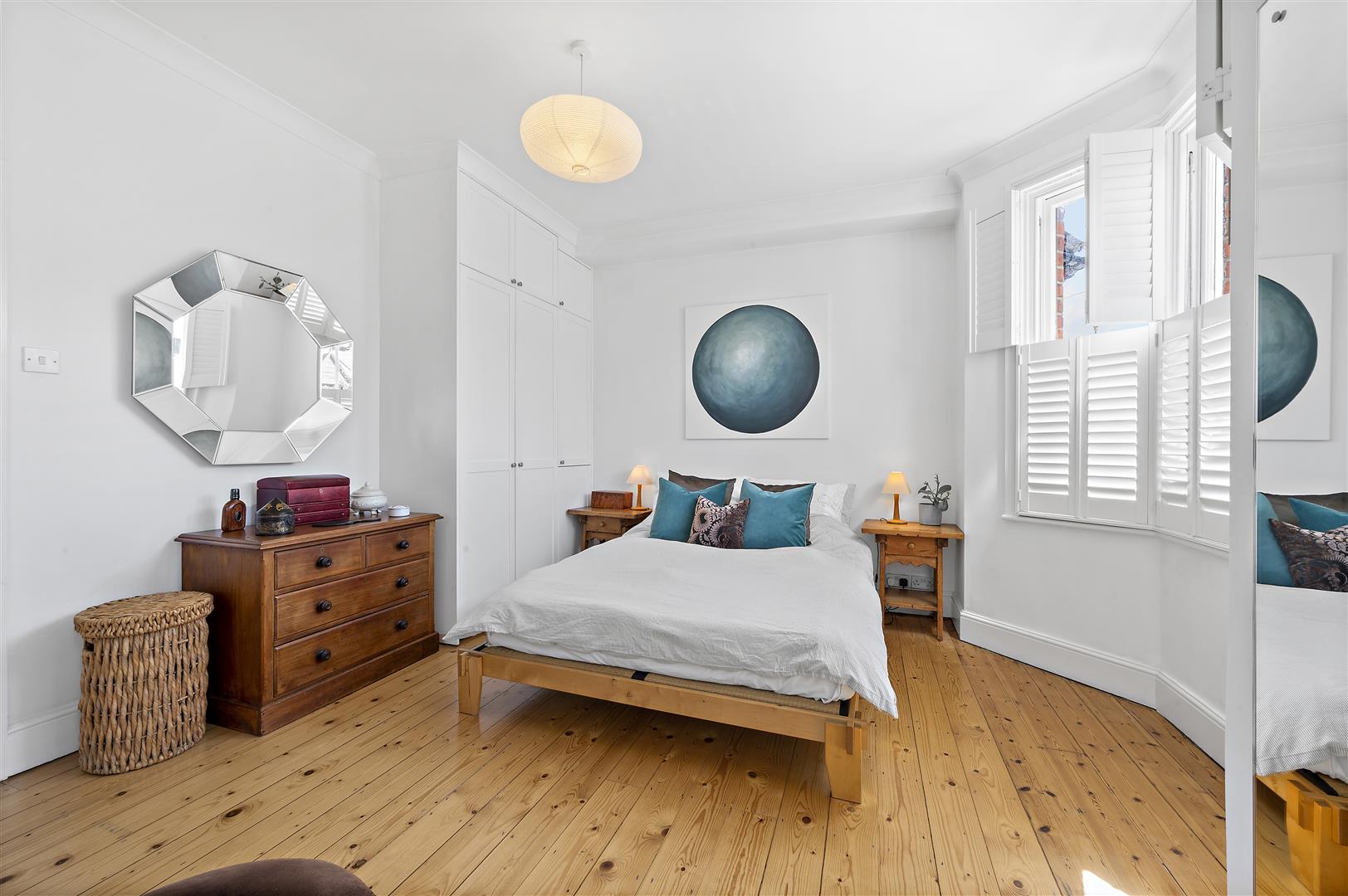
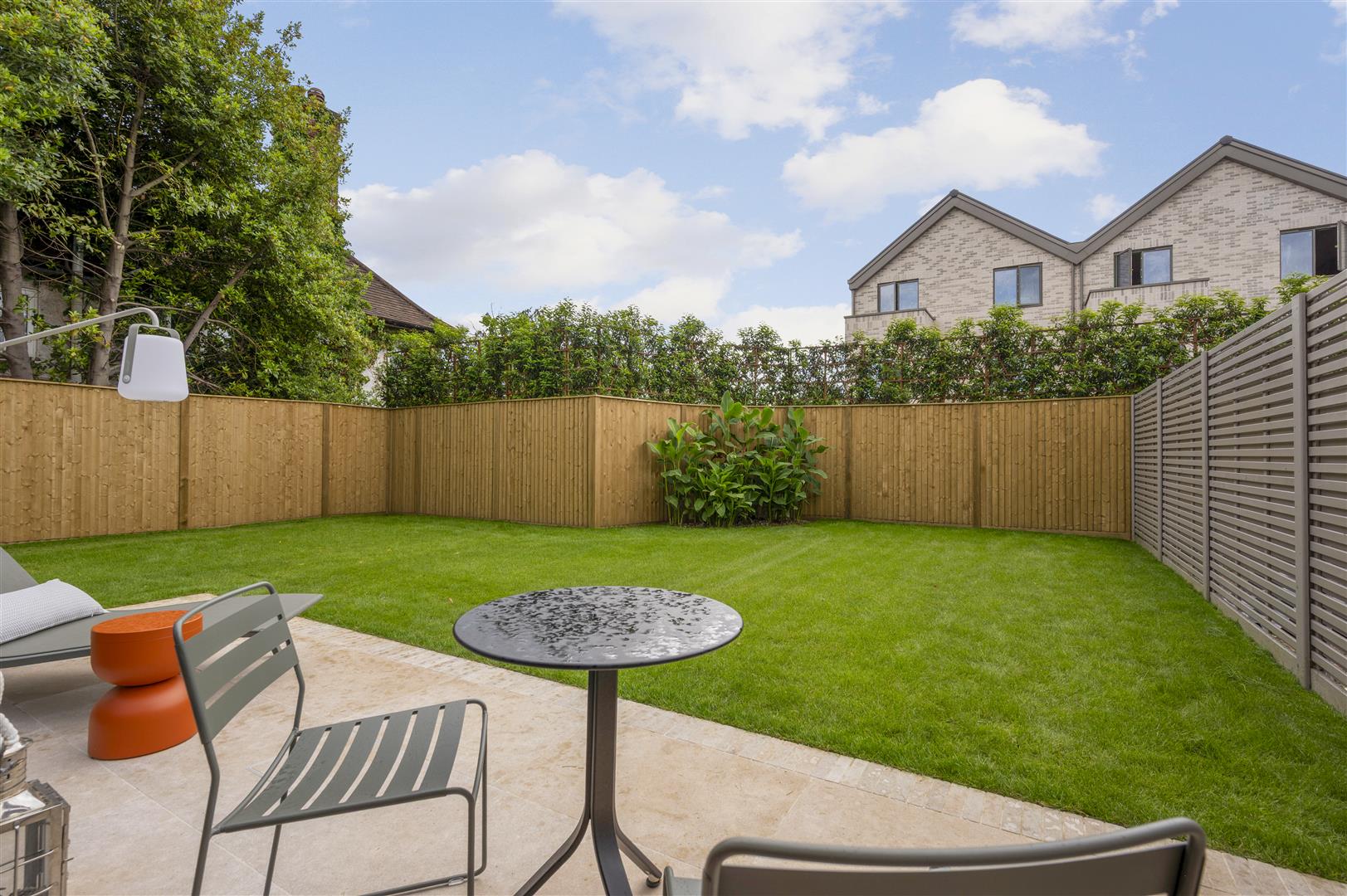
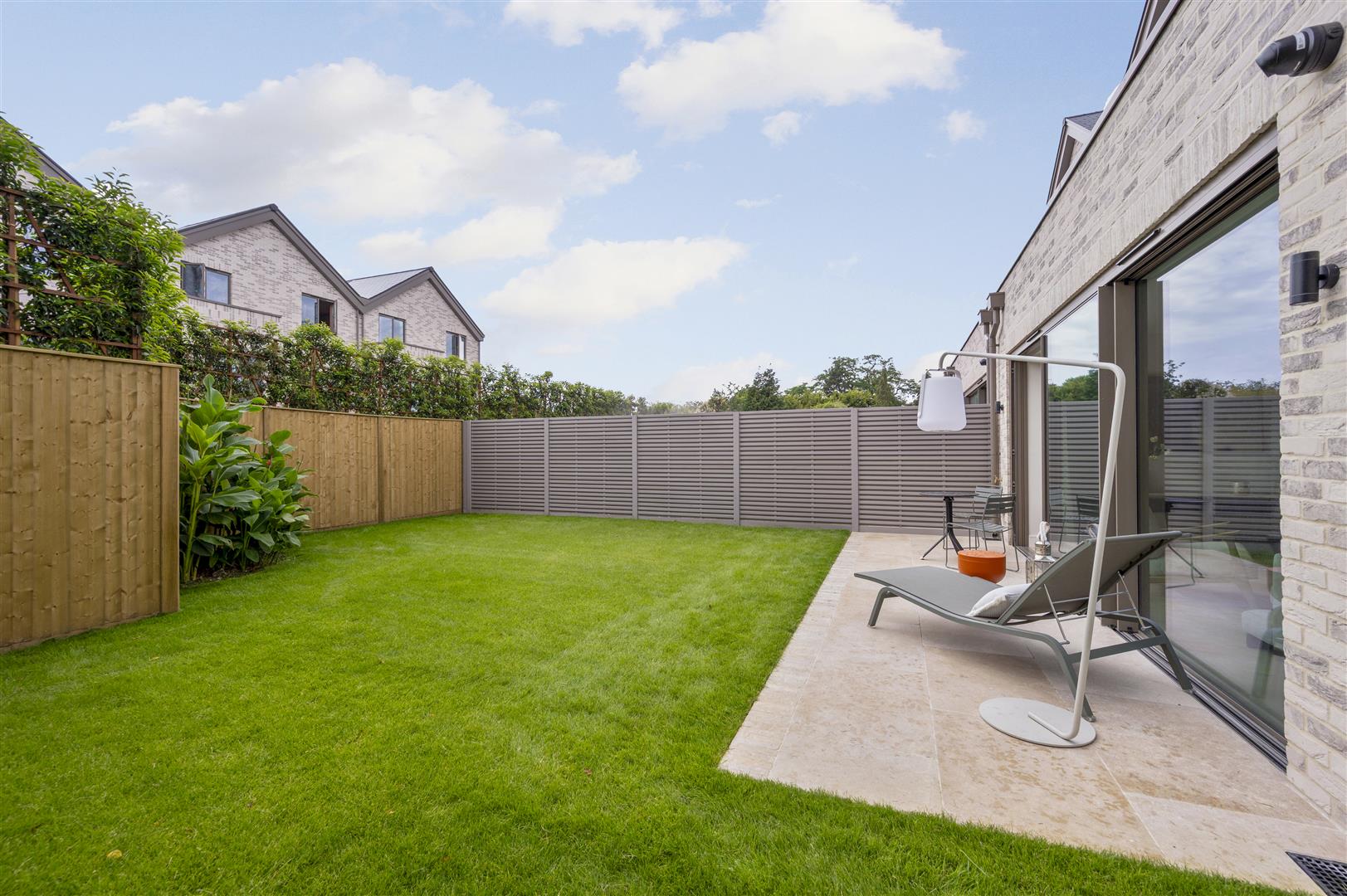
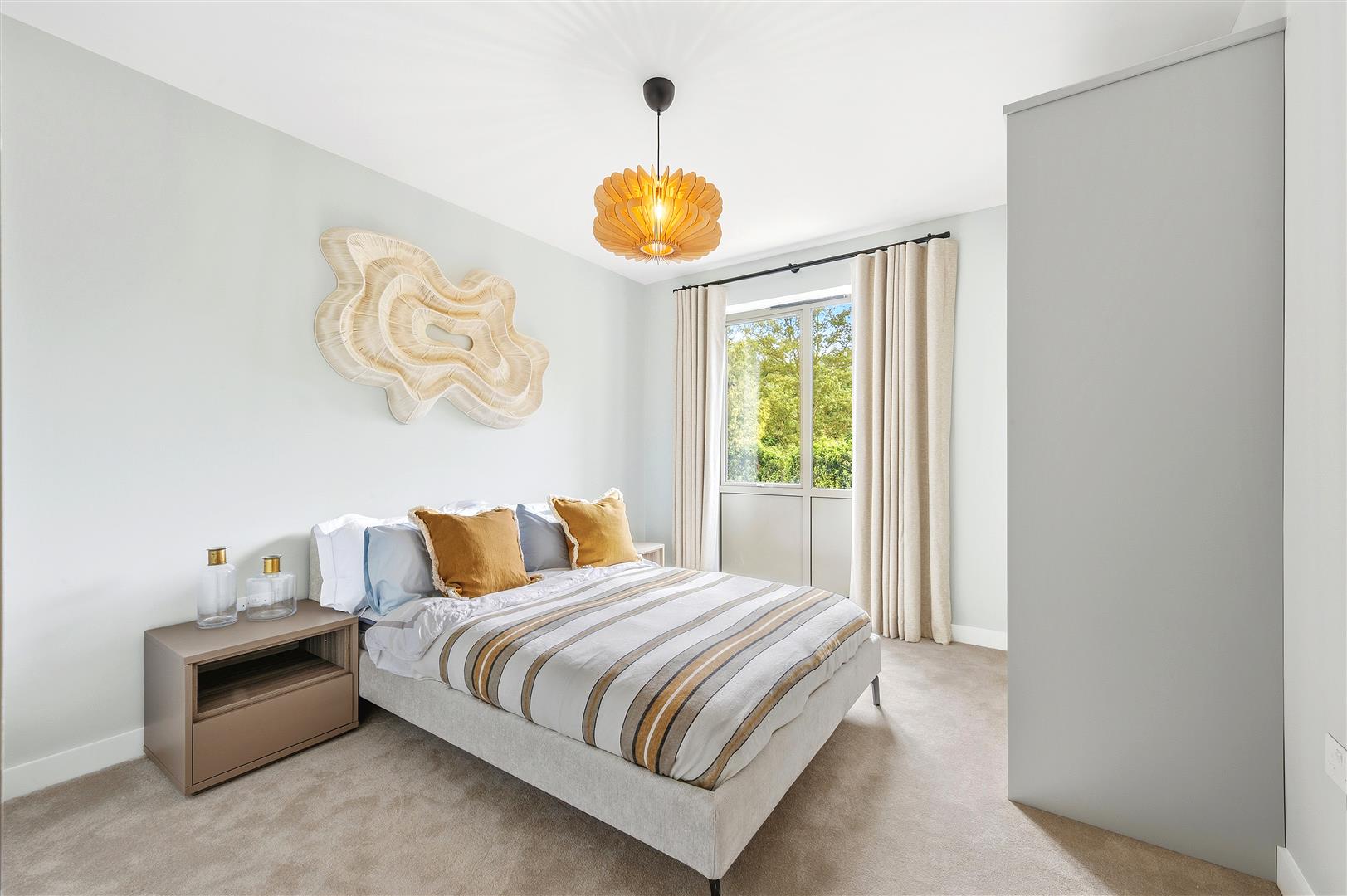
Some of the most effective pre-sale improvements are also among the least expensive. A fresh coat of paint. A professional clean. Tidied gardens. Repaired sealant around baths and sinks. Clean windows and functioning light fittings.
Individually, these tasks may seem minor. Collectively, they can transform the way a property feels.
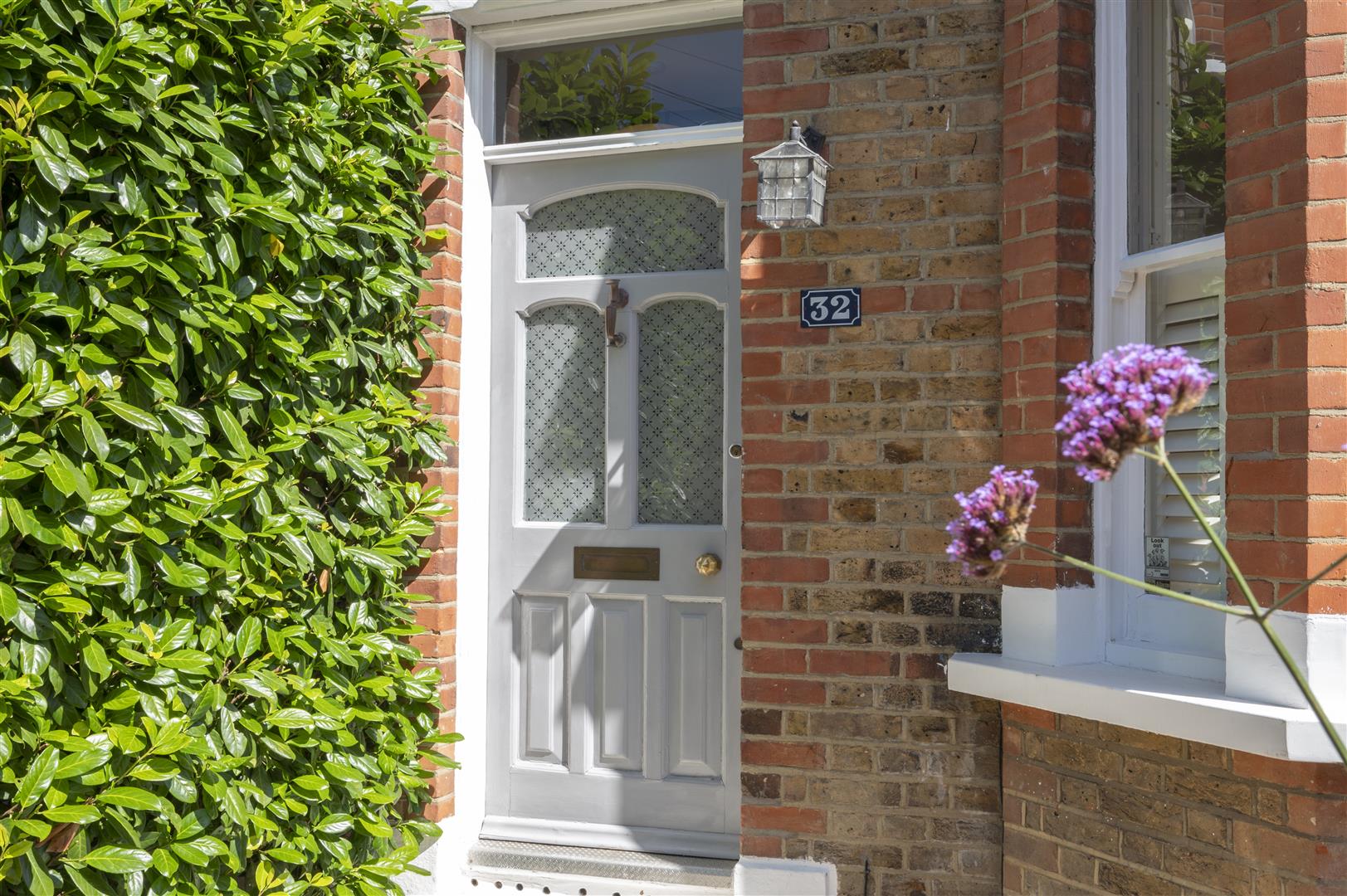
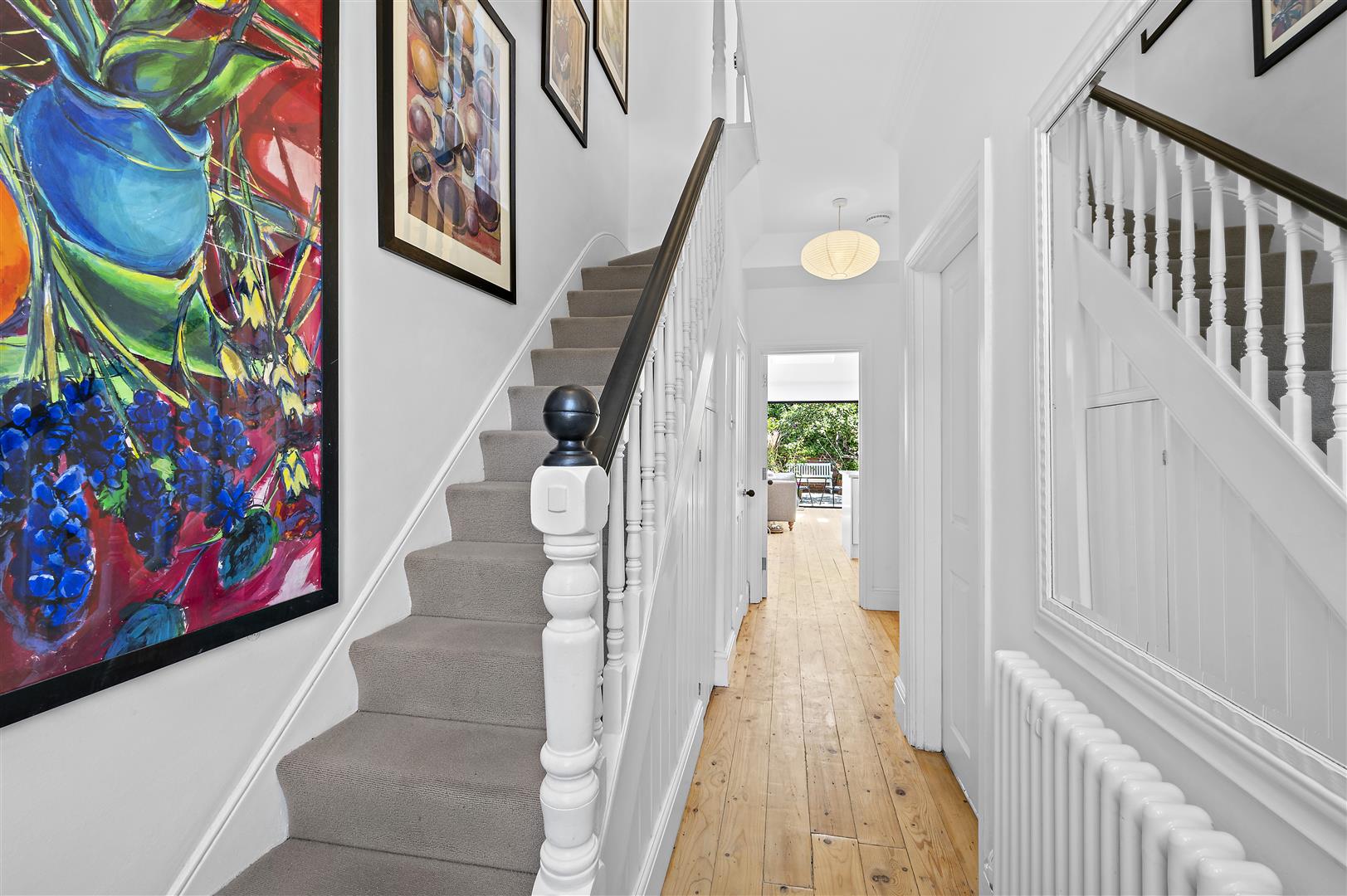
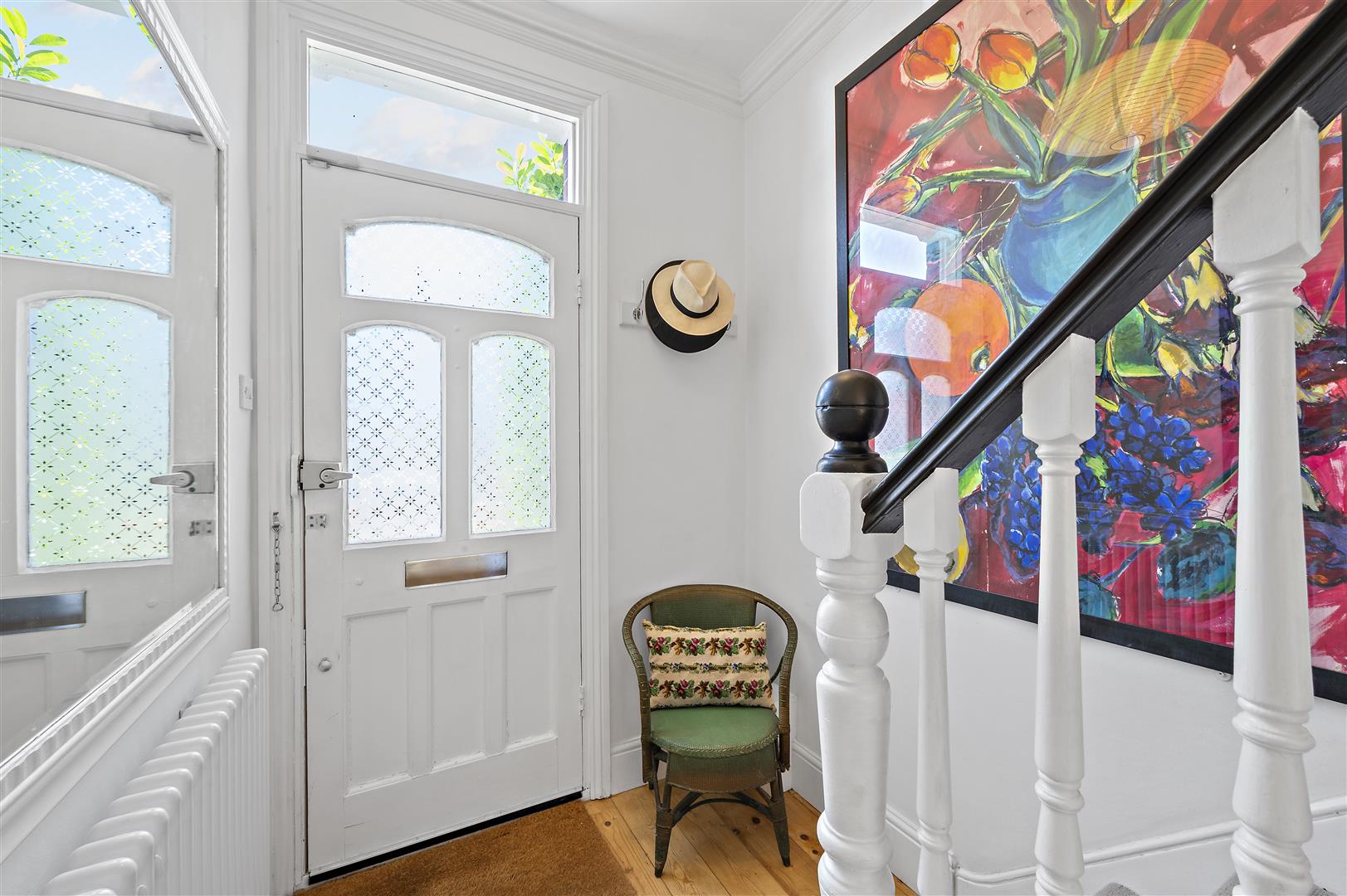
Experienced estate agents often talk about the importance of first impressions. Buyers begin forming opinions before they have even stepped through the front door. The condition of the front garden, pathway and entrance hall all contribute to an immediate judgement about the property.
A property that appears well cared for encourages confidence. A property that feels neglected can raise concerns and may affect how buyers assess value.
| Feature - scroll to continue with content... |


| continue reading article... |
When It Makes Sense to Leave Things Alone
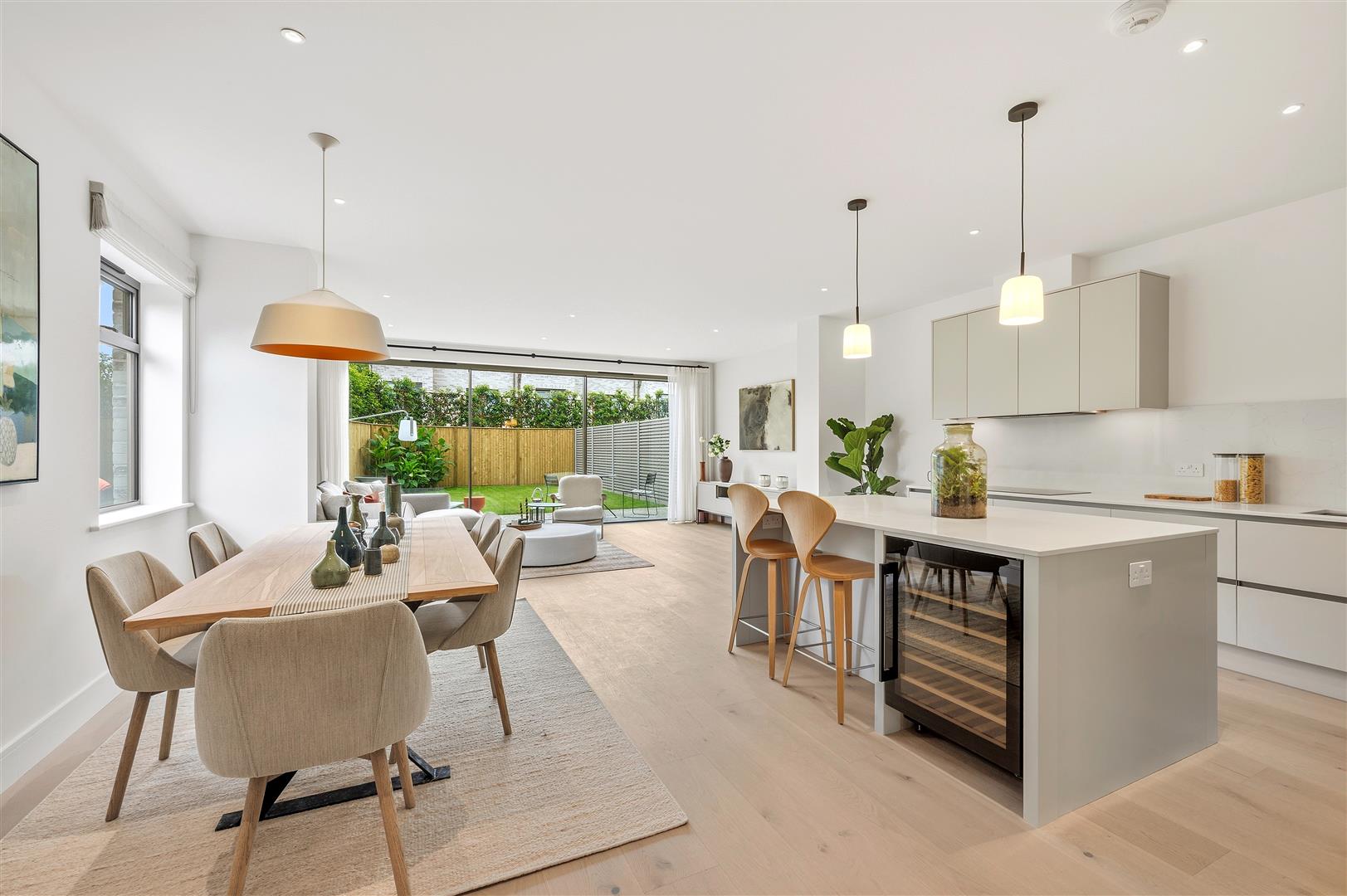
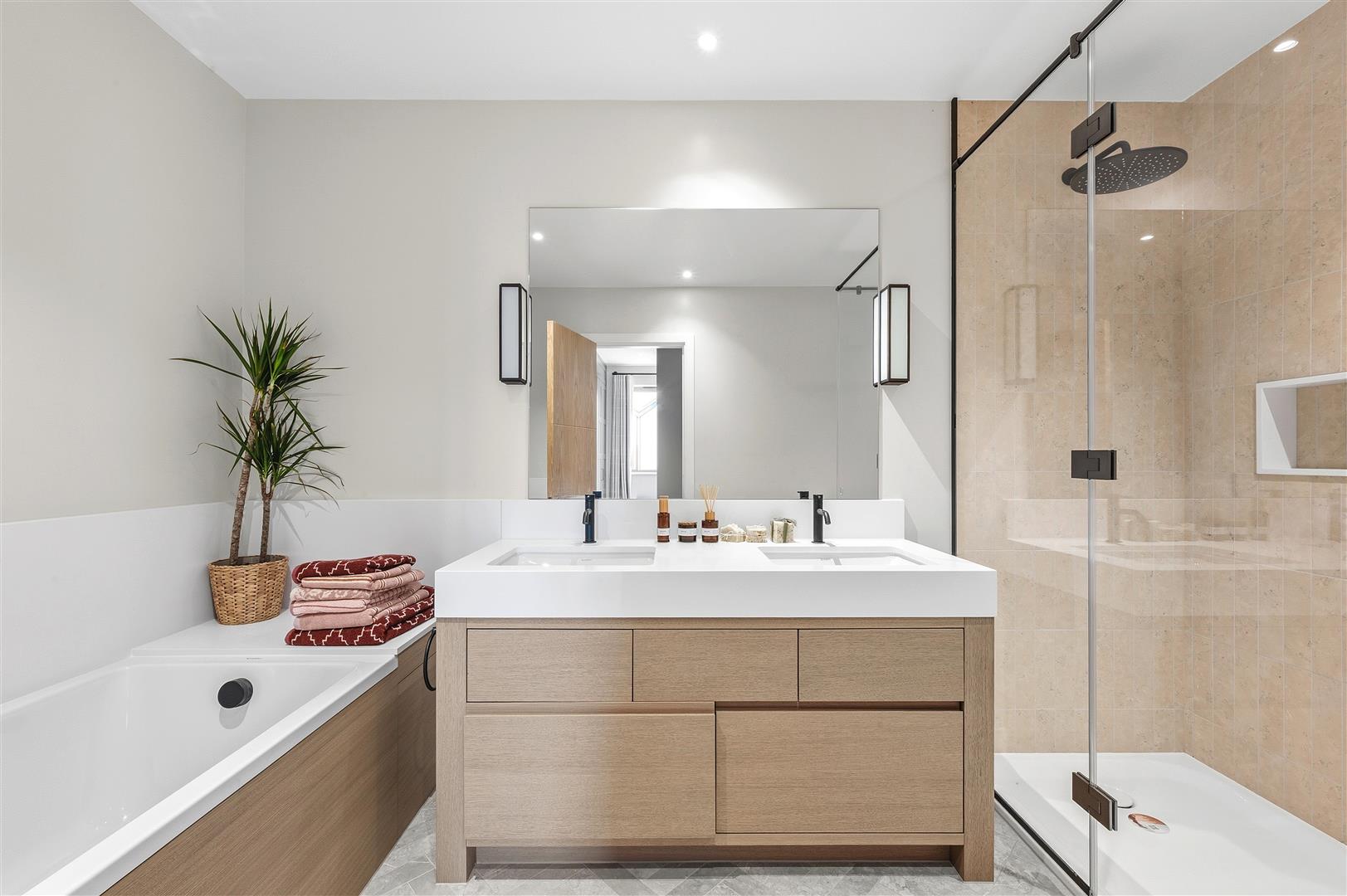
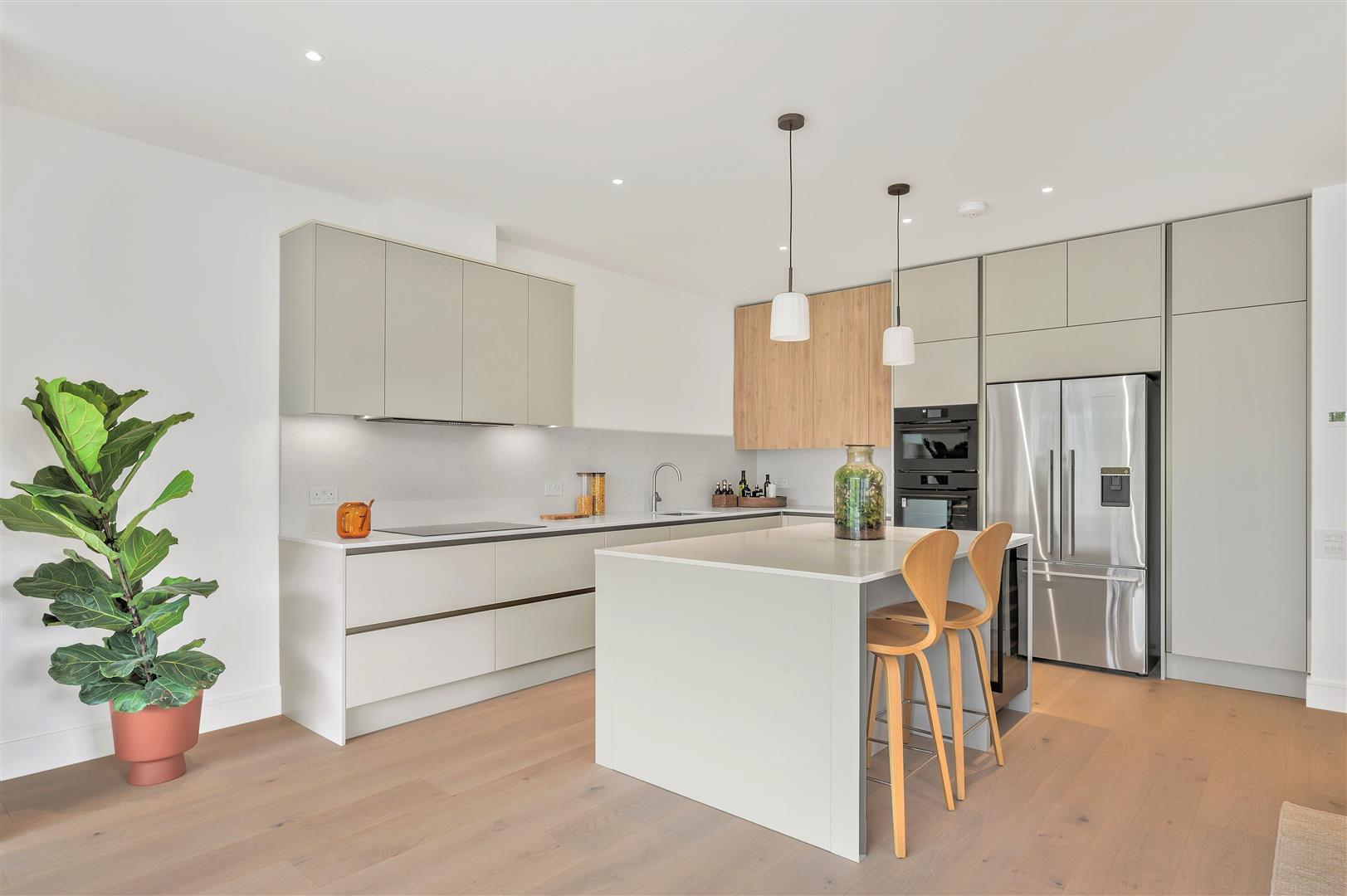
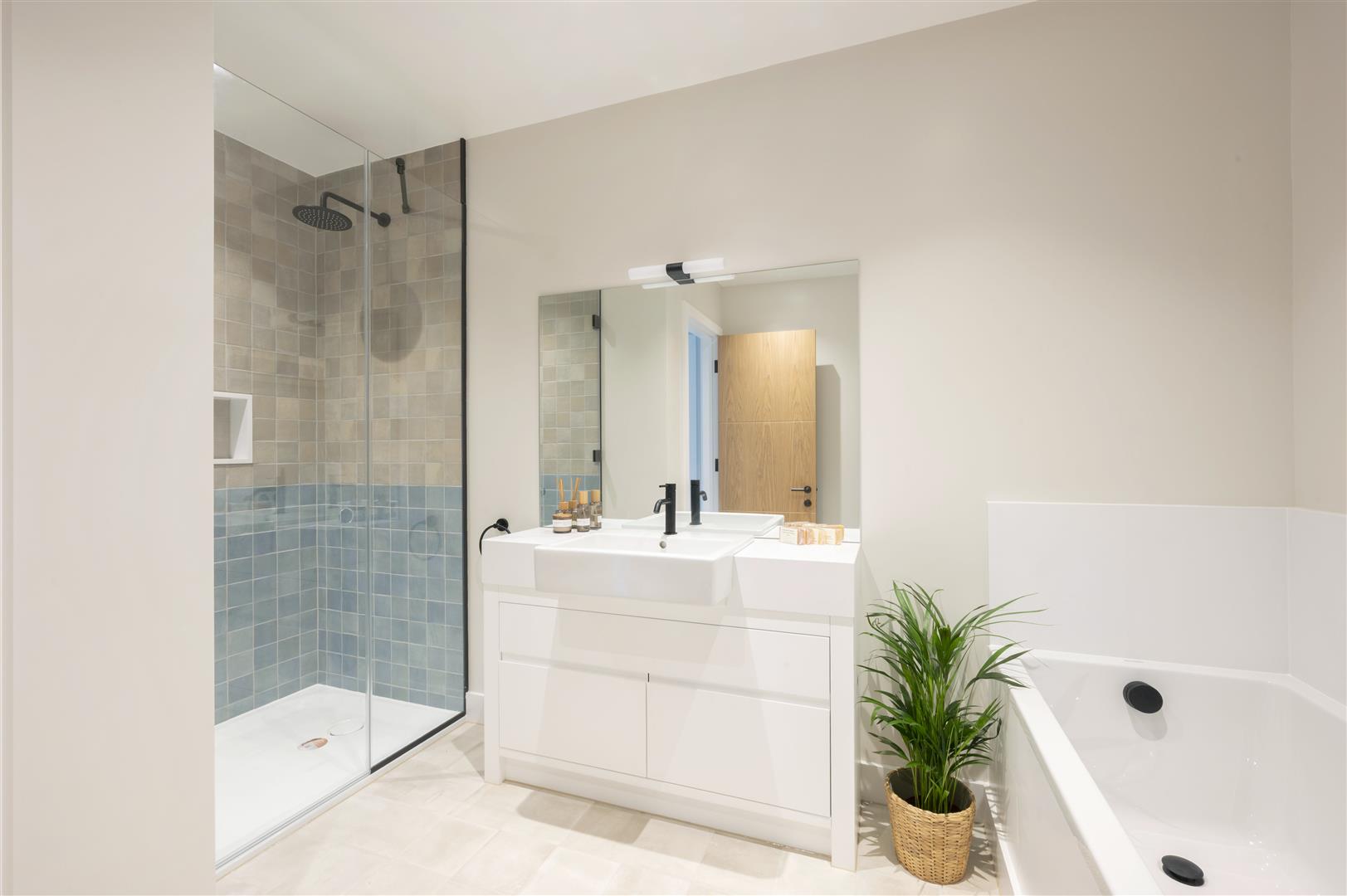
Not every issue needs fixing before a sale. If a kitchen is dated but functional, replacing it may be unnecessary. If the bathroom is old-fashioned but in good condition, buyers may prefer the opportunity to modernise it themselves.
This is particularly true in sought-after locations where buyers are motivated by the property's fundamentals rather than its decorative choices.
In many cases, a realistic asking price can be more effective than an expensive refurbishment programme. After all, buyers often appreciate the freedom to put their own stamp on a property. Spending heavily on improvements they neither want nor value can become an expensive exercise in helping someone else realise their vision.
Know Your Market
The right approach depends partly on who is most likely to buy your property.
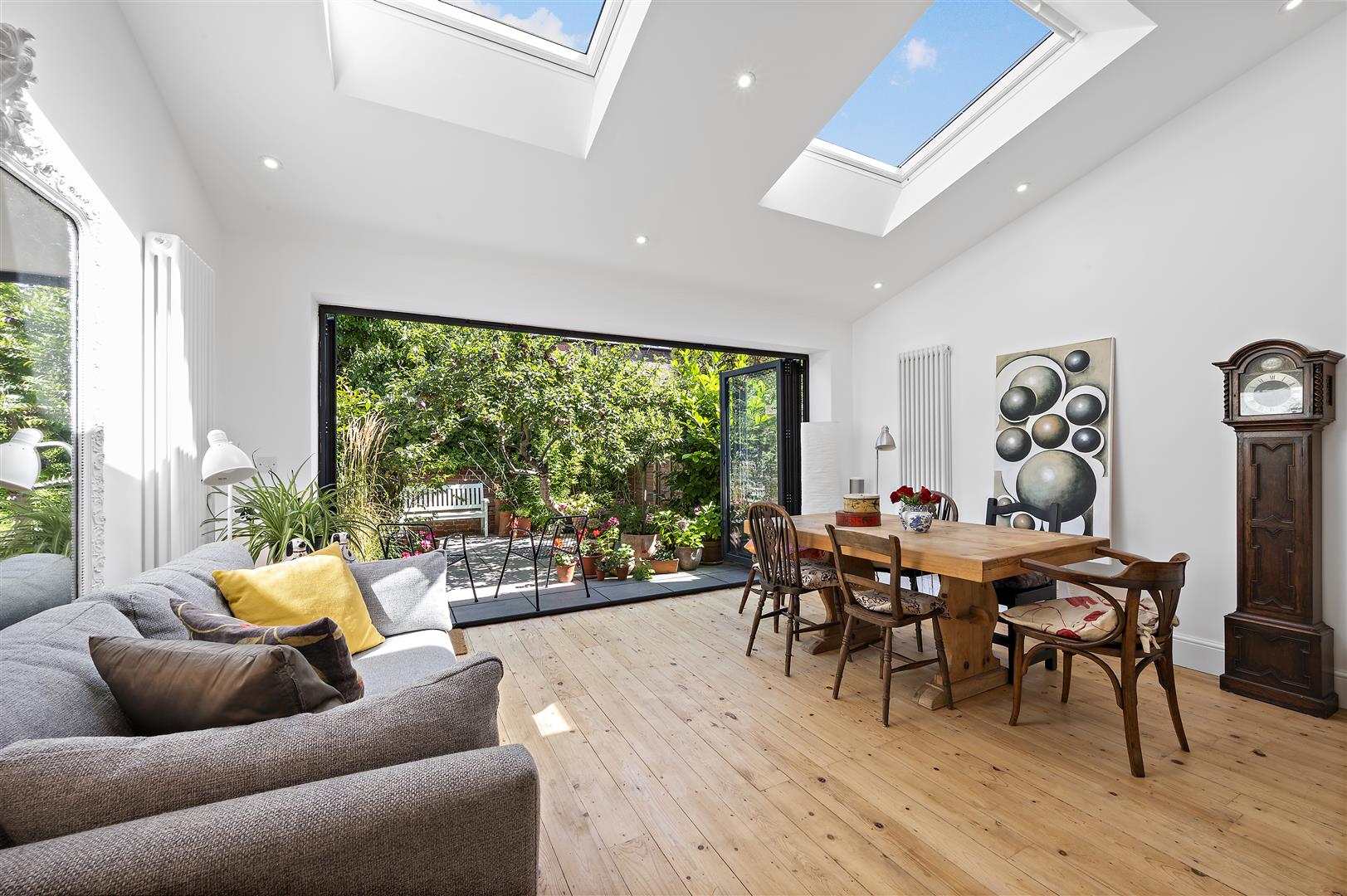
A first-time buyer stretching their budget may place considerable value on a property that requires little immediate expenditure. For that purchaser, a well-presented, move-in-ready home can be highly attractive.
An investor, developer or experienced homeowner may take a different view. Many actively seek properties with scope for improvement and view dated interiors as an opportunity rather than a drawback.
This is why local market knowledge is so important. The expectations of buyers in one area can differ markedly from those in another. Before spending money on improvements, it is worth discussing the likely audience for your property with an experienced local agent.
Ask Three Questions Before Spending
Whenever you're considering a repair or improvement, ask yourself this;
- Will buyers notice it?
- Will it raise concerns during a survey?
- Will fixing it improve confidence enough to justify the cost?
If the answer is yes to two or more of those questions, the work is often worth doing. If not, your money may be better left in your pocket.
| Feature - scroll to continue with content... |


| continue reading article... |
Conclusion: Sell Certainty, Not Perfection
The most effective sales strategies are rarely built around perfection. They are built around reducing uncertainty.
Fix the issues that could worry buyers. Address obvious maintenance problems. Present the property at its best. But be cautious about investing heavily in upgrades that a future owner may simply replace.
The key takeaway is simple: repair defects, improve presentation and avoid overcapitalising. Many buyers can overlook dated décor, but unresolved maintenance issues are more likely to raise concerns during the buying process.
A well-maintained property inspires confidence, which can contribute to a smoother and more successful sale. In most cases, sellers are better served by tackling genuine repairs and enhancing presentation than by undertaking costly renovations shortly before moving.
Sources & Further Reading: GOV.UK; Royal Institution of Chartered Surveyors (RICS); Propertymark; and industry guidance on residential property sales, surveys, seller preparation and transaction readiness.
Disclaimer: This article is intended for general information only and should not be considered legal, financial, surveying or property advice. Every property, buyer and local market is different. Before undertaking significant repairs, renovations or pricing decisions, sellers should seek advice from an experienced estate agent and, where appropriate, a qualified surveyor or other professional adviser.