Open Houses and the London Property Market
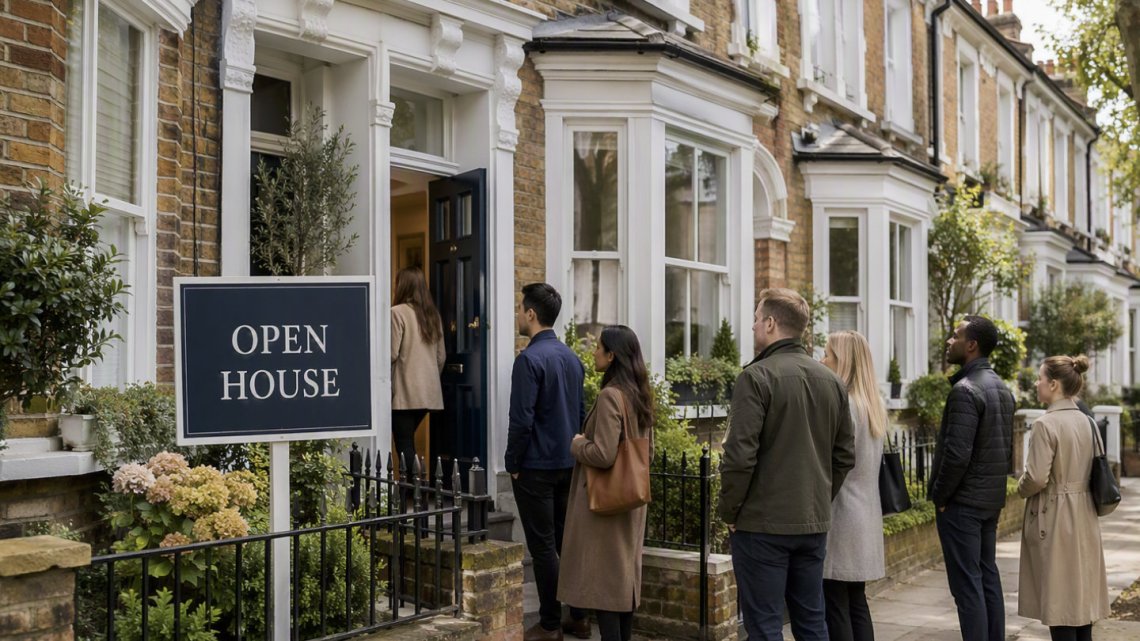
Open houses are a familiar feature of the American property market, often portrayed as bustling weekend events where buyers can freely wander through homes at their leisure. In the UK, however, the approach is rather different.
While traditional private viewings remain the most common way to sell residential property in London, open houses are a useful tool for estate agents looking to generate momentum and attract multiple buyers within a short period of time. They are particularly effective when launching a new instruction, marketing a highly desirable property, or encouraging competitive interest in sought-after locations.
Like any marketing strategy, open houses offer both advantages and disadvantages. Understanding when they work best - and when a more traditional approach may be preferable - can help sellers make informed decisions.
How Open Houses Work in the UK
Unlike the informal, walk-in events often associated with the United States, British open houses are typically far more structured and carefully managed.
Most estate agents advertise an "Open House" or "Open Day" in advance through property portals such as Rightmove and Zoopla, as well as their own buyer databases. Prospective purchasers are usually encouraged to register their interest beforehand and attend during a designated viewing window.
In many cases, buyers are allocated staggered appointment times or invited to attend within a controlled viewing period, allowing agents to manage attendance while maintaining a steady flow of visitors.
One of the key objectives is to concentrate interest into a single event. Rather than arranging numerous individual viewings over several weeks, agents can introduce multiple buyers to the property within a few hours. This often creates greater visibility and allows both sellers and agents to gauge market interest quickly.
Where demand is particularly strong, an open house may be followed by a request for "best and final offers" or sealed bids, encouraging interested parties to submit their strongest proposal by a specified deadline. While this approach is not appropriate for every property, it can be effective in competitive market conditions.
| Feature - scroll to continue with content... |


| continue reading article... |
The Advantages of an Open House
Convenience for Sellers
Preparing a property for viewings can be time-consuming, particularly for busy households. An open house allows sellers to present their home at its very best on a single occasion rather than repeatedly preparing for numerous appointments over several weeks. This can significantly reduce disruption while maintaining a consistently high standard of presentation.
Creating Competitive Momentum
Perhaps the greatest advantage of an open house is its ability to create a sense of market activity.
When buyers see other prospective purchasers viewing the same property, it can reinforce its desirability and encourage quicker decision-making. While reputable agents should never use pressure tactics, genuine competition often helps buyers appreciate that they may not be the only party interested.
In stronger markets, this can contribute to multiple offers and, in some cases, a higher final sale price.
Saving Time
An open house can condense what might otherwise be several weeks of viewings into a single afternoon. This allows agents to gather feedback quickly, identify serious buyers and assess whether the property's pricing and presentation are resonating with the market.
Effective for New Property Launches
Open houses can be particularly successful when used as part of a property's initial launch strategy. Generating concentrated interest during the first days of marketing often helps create excitement around a new instruction and maximises exposure when buyer attention is at its highest.
Potential Drawbacks of an Open House
Not Every Visitor Is a Genuine Buyer
One of the most common criticisms of open houses is that they can attract people who have little intention of making an offer.
Curious neighbours, local residents interested in market values and casual browsers may all attend, creating additional footfall without necessarily contributing to a sale.
For this reason, many agents seek to register attendees in advance and identify those who are genuinely in a position to proceed.
Security and Privacy Considerations
Open houses naturally involve allowing multiple visitors to view a property within a relatively short period of time. While reputable estate agents take steps to register attendees and supervise viewings, sellers should be mindful that open-house events can attract a broader audience than carefully vetted private appointments.
For this reason, it is generally advisable to remove or secure valuable items, sensitive documents and personal information before the event. Many sellers also prefer not to advertise details that could compromise privacy or security, particularly in higher-value properties. An experienced estate agent will help minimise these risks through careful visitor management and appropriate pre-registration procedures.
Some Buyers Prefer Private Viewings
While many buyers appreciate the efficiency of an open house, others prefer a more personal experience.
Private viewings allow prospective purchasers to move at their own pace, spend longer in individual rooms and ask detailed questions without feeling conscious of other visitors. This can be particularly important when purchasing higher-value properties or homes with unique features that require explanation.
Reduced Opportunity for Detailed Discussion
During a busy open house, agents may be speaking with several groups simultaneously. Although experienced agents manage this carefully, there is naturally less opportunity for lengthy one-to-one conversations than during a private appointment.
Not Suitable for Every Property
Open houses are not a universal solution. Some homes benefit more from carefully curated private viewings, particularly:
• Prime and super-prime properties
• Architecturally unique homes
• Properties requiring extensive refurbishment
• Homes with a relatively niche buyer audience
In these cases, a bespoke viewing strategy often delivers better results than a high-volume open day.
| Feature - scroll to continue with content... |


| continue reading article... |
When Do Open Houses Work Best in London?
Open houses can be most effective when:
• The property has just come to market.
• Demand is expected to be strong.
• The asking price appeals to a broad buyer audience.
• The objective is to generate multiple offers within a short timeframe.
• The property is located in an area with consistently high buyer activity.
Locations such as Wimbledon, Wimbledon Village, Southfields and parts of Kensington can provide the market conditions where this approach might work particularly well. However, open houses should generally be viewed as one tool within a broader marketing strategy rather than a replacement for traditional accompanied viewings.
Final Thoughts
Despite their growing popularity, open houses remain far less common in the UK than in the United States. Traditional one-to-one viewings continue to be the preferred method for many buyers and sellers, particularly in London's higher-value markets.
That said, when carefully planned and professionally managed, an open house can be a highly effective way to generate interest, create momentum and identify serious buyers quickly.
The key is understanding whether the strategy suits the property, the target audience and current market conditions.
Ultimately, a successful sale is rarely the result of a single viewing method. It comes from combining thoughtful presentation, expert marketing and experienced local guidance to connect the right buyers with the right property.
Editorial Note: This article is for informational purposes. Always seek professional advice before making any property or financial decisions. The views expressed in this article are opinion-based commentary intended to explore potential market outcomes. Housing market performance is influenced by a wide range of factors including interest rates, mortgage availability, economic growth, employment levels, taxation, housing supply, and consumer confidence. Actual market developments may differ from the scenarios discussed. Always seek professional advice before making any property or financial decisions.