What Makes a 'Good' Place to Live in London?

London may function as one city, but when it comes to property, it operates more like a patchwork of micro-markets - each shaped by geography, transport, history and community. From grand Victorian enclaves to high-density new districts, the question of what makes a “good” location in London is more nuanced than it first appears.
Lifestyle priorities differ, yet certain fundamentals consistently determine desirability, demand and price. Whether you’re swapping zones, upsizing for family life or weighing up where to rent next, location remains the most powerful force in the capital’s housing market.
Transport: The City’s Quiet Power Broker
In London, transport is more than a way of getting around - it dictates how people live. Proximity to the Tube, Overground or National Rail frequently commands a premium, particularly when services run directly into high employment areas like the City, Canary Wharf and the West End.
Today’s buyers and renters increasingly judge neighbourhoods by journey times rather than miles on a map, and many focus on whether they can reach a station within a five- to ten-minute walk. A choice of transport modes - Tube, bus, rail or cycling - adds another layer of appeal.
Major upgrades can rewrite the map entirely. The Elizabeth line, for example, has propelled areas from Abbey Wood to Acton into the spotlight, demonstrating the enduring link between connectivity and long term growth.
Schools: Quietly Shaping the Market
For families, education is often the single most decisive factor in choosing where to live. Neighbourhoods with strong state primaries and secondaries, access to grammar schools or respected independent options tend to draw consistent demand.
Catchment areas can send house prices soaring - and shifting boundaries can spark intense local interest.
Ofsted ratings and progression routes into sixth form or higher education also weigh heavily in decision-making. Even investors pay attention: family-friendly areas typically attract longer-term tenants and show resilience through market cycles.
Green Space: A Capital Priority
Despite its density, London remains one of Europe’s greenest capitals - and access to greenery has never mattered more. Homes near the Royal Parks, commons or even modest neighbourhood greens often command stronger demand.
But it’s not only the landmark spaces that count. Riverside walks, pocket parks and cycle paths increasingly shape lifestyle appeal. For many Londoners, green space is a daily refuge - a place to decompress, exercise and find breathing room in a relentlessly fast-paced city.
| Feature - scroll to continue with content... |


| continue reading article... |
The Pull of Community in a Global City
London may be vast, but its most loved neighbourhoods often feel surprisingly small. Areas with a village-like identity - where people bump into each other at local coffee shops, gather in parks, or return year after year to the same festivals or markets - build a sense of belonging that’s difficult to manufacture.
Active residents’ groups, well-used public spaces and busy community calendars all contribute to that intangible yet powerful sense of place. It keeps residents rooted and attracts new ones looking for more than just a commute.
High Streets and Local Life
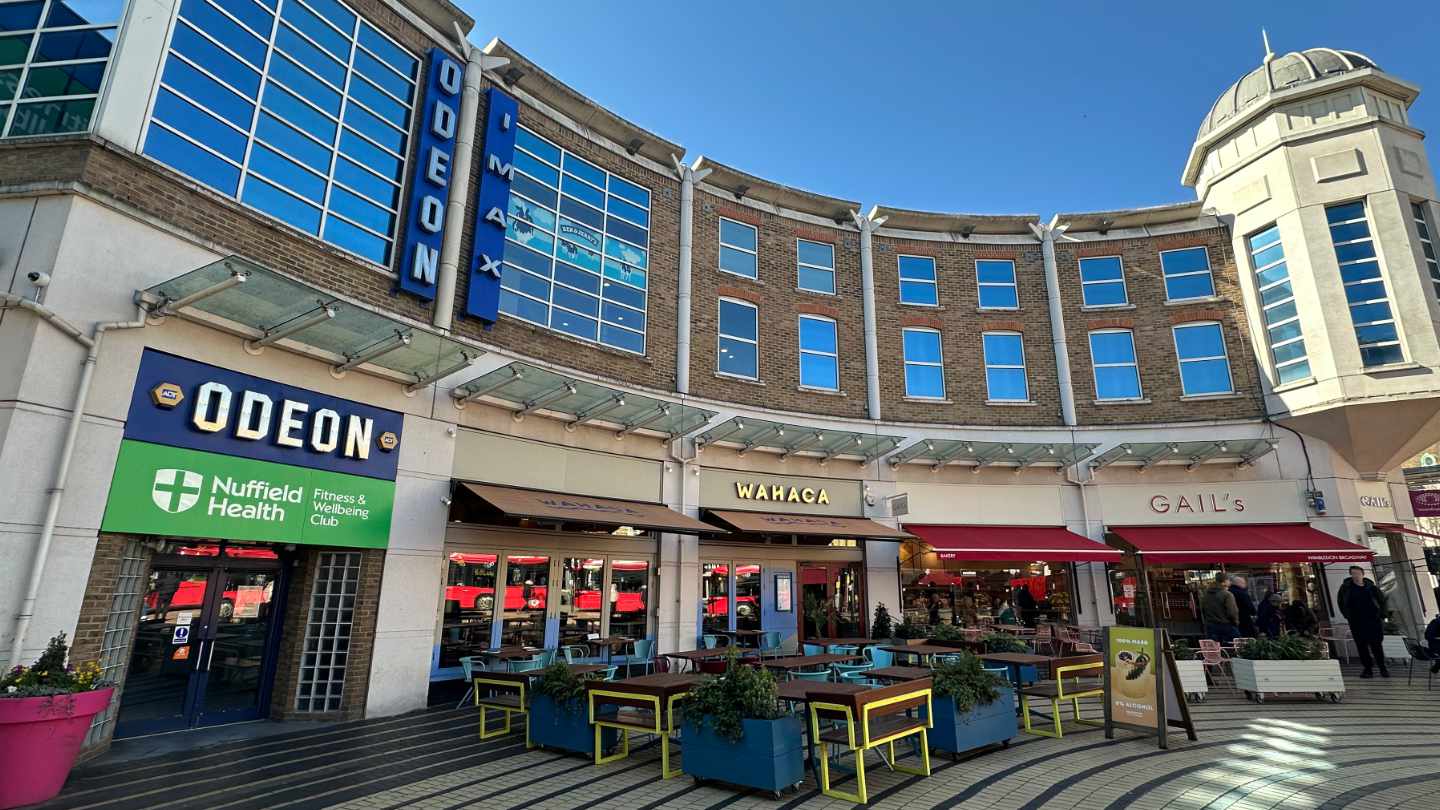
Walkability and convenience have become central to how people choose neighbourhoods. Areas with lively high streets - the kind lined with cafés, independent shops, good pubs and everyday essentials - tend to feel more cohesive and more liveable.
Supermarkets, GP surgeries, pharmacies, gyms and cinemas all play a role in day-to-day comfort. Whether the setting is a traditional market street or a regenerated town centre, the strength of local amenities often determines how a place is experienced, and how it performs over time.
Safety and Everyday Comfort
Perceptions of safety play a clear role in shaping demand, even in a city as varied as London. Well-lit streets, thoughtful public-realm design and low levels of anti-social behaviour help create confidence.
Neighbourhood initiatives - from local policing teams to community safety forums - also influence how an area feels. While crime statistics can vary dramatically by postcode, locations perceived as well cared-for tend to hold value more consistently.
Digital Connectivity: The New Non-Negotiable
As hybrid and remote working solidify, broadband has become as critical as transport for many households. Areas with full-fibre or gigabit services attract professionals who rely on high-speed, stable connections.
Strong mobile coverage is now expected, not a bonus. For an increasing number of buyers, digital infrastructure is a frontline requirement - and a growing factor in how locations are judged.
| Feature - scroll to continue with content... |


| continue reading article... |
Regeneration: Betting on the Future
London never stands still. Regeneration schemes, new rail lines, commercial districts and high street upgrades can dramatically alter a neighbourhood’s trajectory. These projects often bring new public spaces, amenities and housing, boosting both rental demand and property values.
Yet not all regeneration is equal. Buyers and renters increasingly look beyond headlines to understand scale, timing and potential disruption. Knowing what’s planned - and when - can uncover opportunities or help avoid unwelcome surprises.
The Culture Factor
Culture remains one of London’s greatest strengths - and a defining element of what makes a neighbourhood appealing. Theatres, galleries, nightlife, restaurants, sports facilities and riverside paths all contribute to an area’s character.
Some districts pulse with late night energy; others are defined by quieter, residential rhythms. The ability to choose between the two - often just a few stops apart - is a unique part of London’s appeal.

Affordability and the Search for Value
London’s property landscape stretches from some of the world’s most expensive postcodes to emerging outer zones where buyers gain more space without losing connectivity. Value today is judged as much by lifestyle fit as by price: space, transport costs, commute times, green access and even council tax bands all shape affordability.
Outer London areas with fast links into the city are attracting growing numbers of buyers who prioritise room to breathe alongside reliable transport.
So, What Makes a ‘Good’ London Location?
In truth, no single factor defines a great London neighbourhood. Instead, it’s the interplay of connectivity, schools, green space, amenities, community, safety, digital infrastructure and long term growth prospects that shapes both quality of life and property performance.
For residents, these elements influence how the city feels day to day. For investors and sellers, they help underpin resilience and demand.
In a city as layered and evolving as London, the right location doesn’t just determine where you live.
It defines how you live.
This article is for informational purposes. Always seek professional advice before making any property decisions.