Real Estate Tokenisation
Real Estate tokenisation - powered by blockchain - aims to transform property investment by enabling fractional ownership, improving liquidity, and reducing transaction costs. While the UK is laying the legal foundations through the Property (Digital Assets etc) Act 2025 (which recognises digital assets like crypto-tokens - bit coins for example - as an asset) and FCA oversight, challenges remain around regulation, technology risks, and market adoption. This article explores what tokenisation is, its benefits, hurdles, and the evolving UK regulatory landscape.
What Is Real Estate Tokenisation? – Breaking Down the Concept
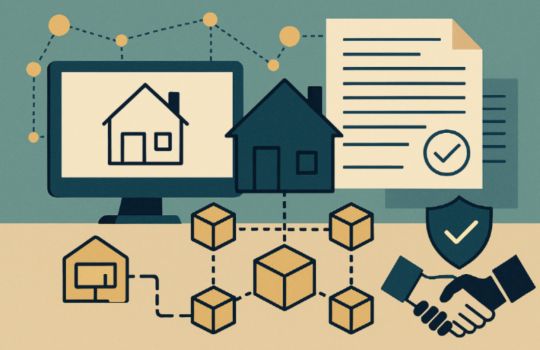
Real Estate tokenisation converts ownership in a physical property (a building or land for example) into digital tokens recorded on a blockchain. These tokens can represent:
- Fractional ownership of the property,
- Rights to rental income or capital appreciation,
- Governance or voting rights.
For example; Instead of buying an entire building for £500,000, an investor could purchase £5,000 worth of tokens linked to that asset. This fractional model mirrors how shares represent ownership in companies - but here, the underlying asset is the building - be it a residential property, commercial building, development project or land (hereinafter referred to as Real Estate).
Why It Matters - The Benefits of Tokenisation
Enhanced Liquidity
One of the primary advantages of tokenisation is its ability to increase liquidity in the traditionally illiquid real estate market. Because tokens can be traded on a secondary market, investors can buy and sell ownership stakes in real estate more easily than they could if they had to sell the entire property. This potentially opens up the market to a wider pool of investors, from individuals to institutional players.
Lower Barriers to Entry
Fractional ownership, with minimum investments as low as £1,000 or less, enables smaller investors to access high-value assets, such as luxury homes or commercial buildings, that might have previously been out of reach.
Transparency and Security
Blockchain technology underpins tokenisation, providing transparency and security in the ownership and transfer of assets. Every transaction is recorded on an immutable ledger, reducing the risk of fraud or mismanagement. Investors can trace the ownership history and verify the asset’s provenance, enhancing trust in the transaction process.
Efficient and Cost-Effective Transactions
Real estate transactions can be complex and costly, involving a number of intermediaries and a range of administrative hurdles. Tokenisation aims to simplify this by automating many aspects of the transaction process through smart contracts, reducing transaction costs and speeding up the settlement process.
| Feature - scroll to continue with content... |


| continue reading article... |
The Roadblocks – Challenges to Adoption
Regulatory Grey Areas: The Property (Digital Assets etc) Act 2025 confirms digital assets as a new category of personal property, but whilst UK law is evolving, there is no dedicated framework for tokenised real estate yet. The lack of clarity around how tokens should be classified - whether as securities or utility assets remains critical.
Slow Market Uptake: Real estate is conservative by nature. Limited public understanding of blockchain and tokenisation slows adoption.
Technology Risks: The security of the underlying blockchain infrastructure is paramount. While blockchain is known for its robustness, it is not impervious to attacks or vulnerabilities. Smart contract bugs, hacking incidents, and technical failures could jeopardise the value and security of tokenised real estate.
Furthermore, ensuring that these platforms comply with data protection laws, particularly the General Data Protection Regulation (GDPR), is crucial for maintaining legal compliance.
Market Volatility: Property is considered a stable, long-term investment. However, tokenised assets can be subject to greater price volatility due to their trade on open markets. This might undermine the stability that investors traditionally seek from real estate. Additionally, token values could be influenced by factors outside the physical property’s performance, such as speculation in cryptocurrency markets or broader economic conditions.
| Feature - scroll to continue with content... |


| continue reading article... |
The UK Regulatory Landscape – Building the Framework
In the UK, the regulatory environment surrounding blockchain and tokenisation is evolving. The Financial Conduct Authority (FCA), which is the regulatory body responsible for overseeing financial markets, has been working to establish a framework that addresses the unique challenges posed by digital assets. While there is currently no dedicated regulation for tokenised real estate, several aspects of existing laws apply.
Securities and Investment Rules: If tokenised real estate is classified as a security, issuers and platforms must comply with the Financial Services and Markets Act 2000 (FSMA) and FCA rules. This includes:
- Investor disclosures,
- Prospectus requirements,
- Market abuse and custody regulations.
Anti-Money Laundering and Know Your Customer Compliance: Platforms must register under UK AML regulations to prevent illicit activity.
Consumer Protection and Legal Safeguards: Regulators aim to balance innovation with investor protection, including:
- Dispute resolution mechanisms,
- Protection of digital assets,
- Enforcement of property rights in tokenised environments.
Looking Ahead – The Future of Real Estate Tokenisation
The potential is vast: tokenisation could democratise property investment, improve liquidity, and streamline transactions. UK regulators are actively shaping a framework that fosters innovation while protecting investors. Initiatives like the Digital Securities Sandbox signal progress, but widespread adoption depends on regulatory clarity, market confidence, and technological resilience.
The future of property investment may be more accessible, transparent, and efficient - but success hinges on collaboration between investors, developers, and regulators to ensure tokenisation remains safe and secure.
This article is for informational purposes. Always seek professional advice before making any property decisions.