BoE Holds Rates at 3.75%
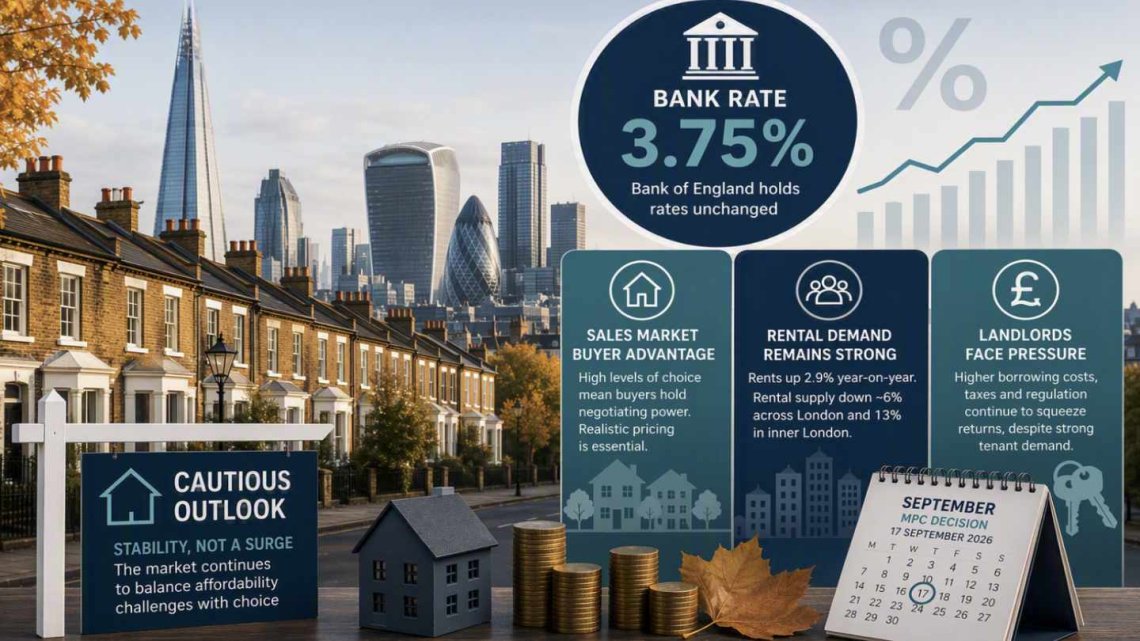
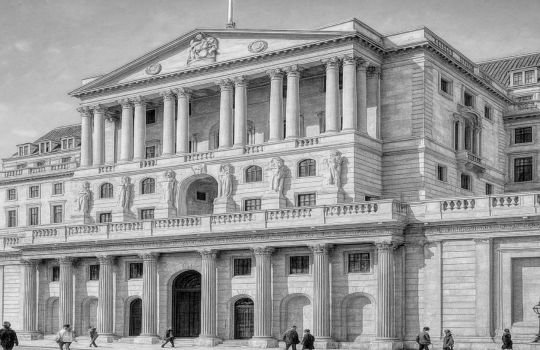
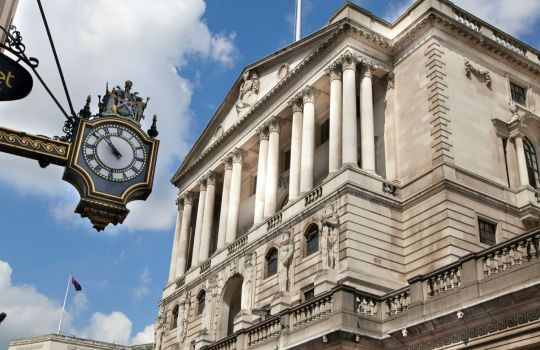
The Bank of England has left the Bank Rate unchanged at 3.75%, maintaining its cautious approach as policymakers balance inflation concerns against a sluggish economy.
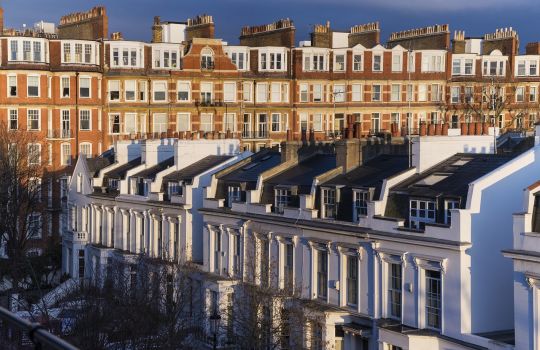
For London's housing market, the decision removes the immediate risk of higher borrowing costs but is unlikely to trigger a sudden recovery in sales activity or house prices. Instead, the capital enters the autumn market facing familiar challenges: affordability constraints, price-sensitive buyers and a growing gap between supply and demand in the rental sector.
Stability rather than stimulus
For prospective buyers, a rate hold offers greater certainty. Those already planning a move can continue to budget against a broadly stable interest-rate environment.
However, a stable Bank Rate does not solve London's affordability problem. The capital remains one of the most expensive housing markets in the country, while buyers currently benefit from an unusually large choice of homes.
Recent market data suggests London has its highest level of sales stock since 2010, giving purchasers considerable negotiating power. As a result, sellers are likely to remain under pressure to price competitively if they want to attract interest and secure a sale.
Mortgage rates remain the key factor
The Bank Rate is only one influence on borrowing costs. Most buyers rely on fixed-rate mortgages, which are driven as much by lenders' funding costs and future interest-rate expectations as by the current Bank Rate itself. That means today's decision does not automatically translate into lower mortgage rates.
However, if lenders become more confident that rates have peaked, mortgage pricing could gradually improve over the coming months. Any resulting increase in buyer activity is likely to emerge gradually rather than through a sudden market rebound.
| Feature - scroll to continue with content... |


| continue reading article... |
Buyers still hold the advantage
The balance of power remains firmly with buyers. With plenty of competing stock available across much of London, realistic pricing remains essential. Properties brought to market at ambitious asking prices risk longer marketing periods and eventual price reductions.
Consequently, the autumn market may be characterised more by steady transaction volumes than by significant house-price growth.
Rental market remains under pressure
While the sales market remains subdued, London's lettings sector continues to face strong demand and limited supply. Zoopla's latest rental market data shows rents in London rising by 2.9% year-on-year. At the same time, rental supply across the capital has fallen by around 6%, with available stock in inner London down 13%.
Higher mortgage costs are keeping some would-be first-time buyers in rented accommodation for longer, adding further pressure to an already constrained market.
No turning point yet
For now, today's decision changes relatively little. Buyers gain certainty but still face affordability challenges. Sellers continue to operate in a competitive market where pricing is crucial. Landlords face elevated borrowing costs, while tenants continue to grapple with a shortage of available homes.
The bigger question for London's property market is not whether Bank Rate remains at 3.75% today, but where mortgage rates, inflation and interest-rate expectations move next.
For now, this is not a turning point. It is another pause in a market still searching for clearer direction.
This article is for informational purposes. Always seek professional advice before making any property or financial decisions. The views expressed in this article are opinion-based commentary intended to explore potential market outcomes. Housing market performance is influenced by a wide range of factors including interest rates, mortgage availability, economic growth, employment levels, taxation, housing supply, and consumer confidence. Actual market developments may differ from the scenarios discussed. Always seek professional advice before making any property or financial decisions.