BoE Holds Interest Rates at 3.75%

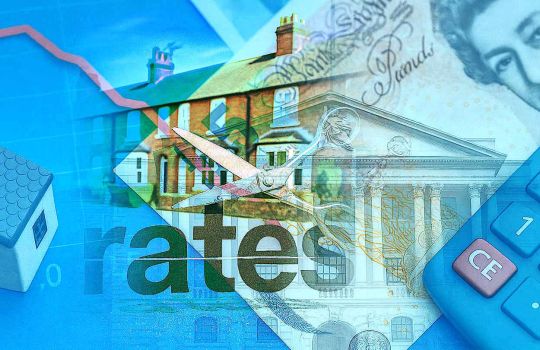
The Bank of England has kept the Base Interest Rate at 3.75%, with the decision made on a close 5 - 4 vote. The narrow split highlights the continued uncertainty within the Monetary Policy Committee (MPC) as it weighs the need to support the economy against the risk of easing policy too soon.
Policymakers noted that inflation is expected to fall toward the 2% target, helped by previous fiscal measures and declining energy costs. However, it still sits above that target today, and the Bank has become more cautious about declaring the downturn in prices fully secure. Alongside this, the Bank has trimmed its expectations for economic growth in 2026 and forecasts a slight increase in unemployment.
Despite holding rates steady, the MPC signalled that further reductions are likely if economic data continues to show easing inflationary pressure. Financial markets have interpreted this as a sign that rate cuts could arrive as soon as the spring of 2026, depending on how inflation and wage trends develop.
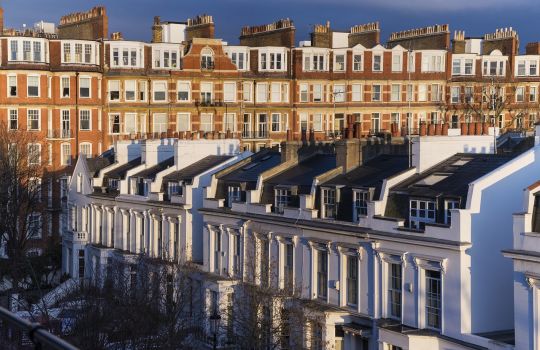
What This Means for the London Property Market
Buyers: For homebuyers, today’s hold means borrowing costs remain relatively high. Although mortgage rates have eased from their peaks, lenders remain cautious and are generally waiting for the Bank Rate to fall again before making significant cuts to pricing.
Uncertainty about when the next rate cut will arrive may lead some buyers - especially first time buyers sensitive to monthly payments - to postpone decisions.
Sellers: London sellers face a mixed environment. Well presented and competitively priced homes are still attracting strong interest, but overall activity may cool where buyers are waiting for clearer signals on the direction of mortgage costs.
In high value parts of central London, sellers may need to remain flexible on price expectations to maintain momentum.
Renters: Renters are likely to continue experiencing upward pressure on rents. Elevated borrowing costs mean some potential buyers will stay in the rental market for longer, adding to demand. Ongoing supply shortages - especially in desirable neighbourhoods - are likely to keep rents from softening in the near term.
| Feature - scroll to continue with content... |


| continue reading article... |
Landlords: For landlords, the decision provides short term stability but not relief. Financing remains more expensive than in the years before the pandemic, and many landlords are still managing higher mortgage costs.
If the Bank begins lowering rates later in 2026, pressure on monthly repayments should ease, improving returns for some investors. However, the overall cost of property finance is likely to remain structurally higher than in the previous decade.
In Summary
The decision to hold the rates at 3.75% reflects a careful balancing act as the economy works through slowing inflation and muted growth. The close vote shows that policymakers believe rate cuts may be appropriate soon, but not before they are confident inflation will remain near target.
For the London property market, the current environment remains one of caution and transition: buyers face relatively high borrowing costs, sellers may need to stay agile on pricing, renters continue to face strong demand pressures, and landlords await clearer signals on when rates will begin to decline.
This article is for informational purposes. Always seek professional advice before making any property decisions.